What Is Botox and How Does It Work? A Complete Guide
Botox is the world's most commonly performed aesthetic procedure, yet many people—including new practitioners—are unclear on exactly how it works. This guide explains the mechanism, clinical applications, and expected outcomes of botulinum toxin therapy.
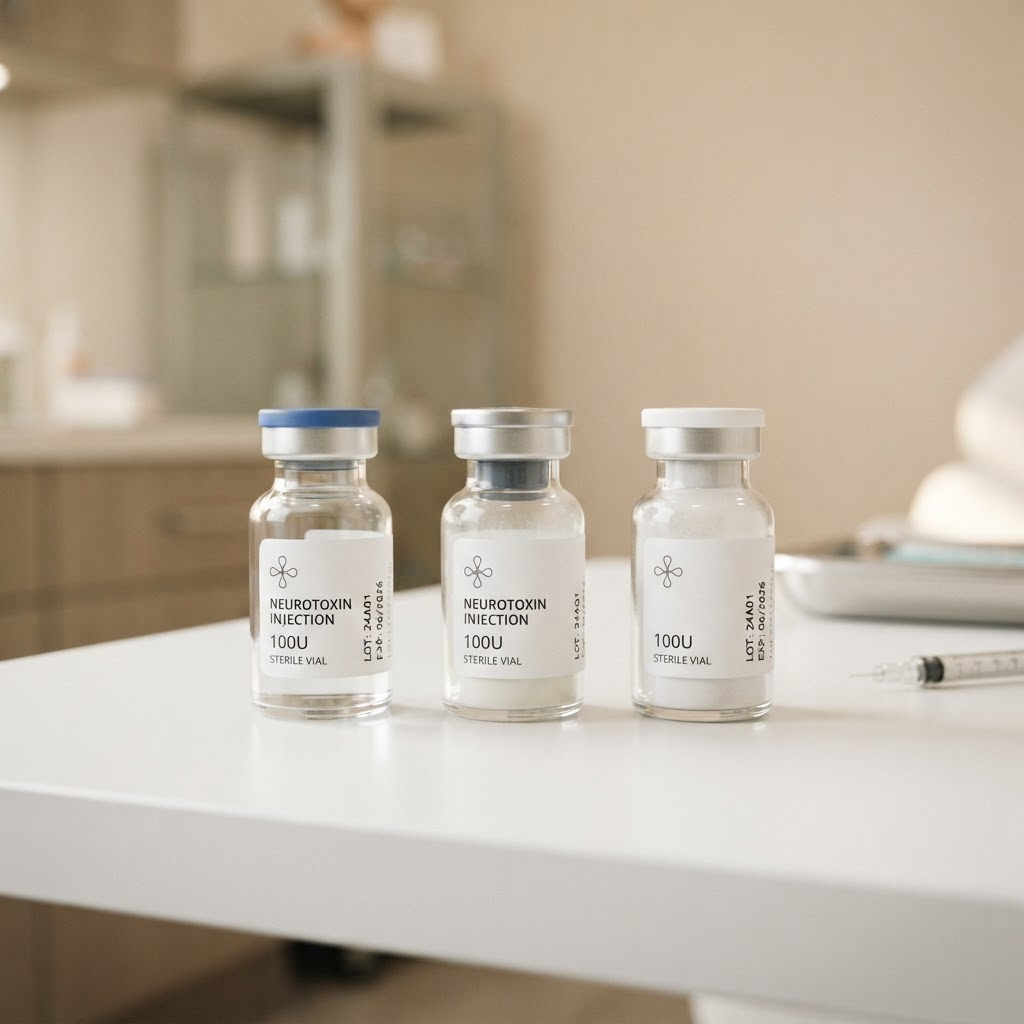
Botox is the brand name most synonymous with cosmetic neurotoxin treatment, yet it is frequently misunderstood by the very patients who request it and, occasionally, by practitioners who administer it. At its core, Botox is a purified form of botulinum toxin type A—a protein produced by the bacterium Clostridium botulinum—that, when injected in precise micro-doses, temporarily relaxes targeted muscles to soften dynamic facial expressions and the lines they create. The safety and efficacy of Botox in aesthetic applications has been demonstrated in thousands of clinical studies over more than three decades of medical use. Understanding how Botox works at the neuromuscular level enables both patients to have realistic expectations and practitioners to design treatments that achieve beautiful, natural-looking results. This guide covers the science, the clinical applications, what to expect during and after treatment, and how Botox compares to its competitors.
The Mechanism of Action: How Botox Works at the Neuromuscular Junction
Botulinum toxin type A exerts its effect by blocking the release of acetylcholine at the neuromuscular junction—the point where a motor nerve communicates with a muscle fibre. When the nerve signal is blocked, the muscle cannot contract. This temporary paralysis of targeted muscle groups is what produces the smoothing effect on overlying skin. The toxin does not destroy the nerve or the muscle; it simply interrupts the chemical signal that triggers contraction.
The Role of Acetylcholine in Muscle Contraction
Acetylcholine is the primary neurotransmitter that carries the signal from a motor nerve ending to a muscle fibre, triggering the contraction cascade. Botulinum toxin cleaves the SNARE proteins required to release acetylcholine vesicles from the nerve terminal, effectively silencing the signalling pathway without destroying the underlying structures.
How Long the Effect Lasts and Why
The effects of Botox are temporary because the body gradually generates new SNARE proteins and nerve terminal sprouting occurs over time, restoring acetylcholine release and muscle function. Most patients notice results beginning between three and seven days post-injection, with peak effect at two weeks, and gradual return of function over three to six months.
Clinical Applications of Botox in Aesthetics
Botox is used in aesthetics to address dynamic wrinkles—lines caused by repeated muscle contraction rather than by skin laxity or volume loss. The most commonly treated areas include the forehead, glabella (11 lines between the brows), and periorbital area (crow's feet). Advanced applications extend to jaw slimming, gummy smile correction, lip flip, neck band treatment, and hyperhidrosis management.
Upper Face: Forehead, Glabella, and Crow's Feet
The upper face is the most common treatment zone for Botox. Forehead lines are caused by frontalis muscle contraction, glabellar lines by corrugator supercilii and procerus activity, and crow's feet by orbicularis oculi contraction. Treating these areas together creates a refreshed, relaxed upper face without compromising natural expressiveness when dosed appropriately.
Advanced Applications and Off-Label Uses
Botox has numerous evidence-supported applications beyond the upper face, including masseter reduction for jaw slimming and bruxism management, platysmal band relaxation, brow shaping and lifting, mentalis smoothing for chin dimpling, hyperhidrosis treatment in the axillae, hands, and feet, and the lip flip technique for a subtle increase in upper lip show.
Botox vs Dysport vs Xeomin: Understanding the Differences
Multiple botulinum toxin type A products are available in Canada, each with slightly different formulations, unit potencies, and clinical characteristics. While the underlying molecule is the same, practitioners and patients should understand that these products are not interchangeable on a one-to-one unit basis, and each has specific properties that may make it advantageous in certain clinical contexts.
Unit Equivalence and Dosing Differences
Botox (onabotulinumtoxinA), Dysport (abobotulinumtoxinA), and Xeomin (incobotulinumtoxinA) have different unit potencies. Approximately 1 unit of Botox is equivalent to 2.5–3 units of Dysport and roughly 1 unit of Xeomin, though individual patient responses vary. Practitioners must understand these conversion ratios when switching products or treating patients who have received a different toxin previously.
Onset, Duration, and Diffusion Characteristics
Dysport tends to have a slightly faster onset than Botox, which some patients value for time-sensitive events. Xeomin is a 'naked' toxin containing no complexing proteins, which is sometimes preferred for patients who may be developing resistance to complexing-protein-containing formulations. Clinical decisions about product selection should be made based on patient history, treatment area, and desired onset.
What Patients Should Expect Before, During, and After Botox
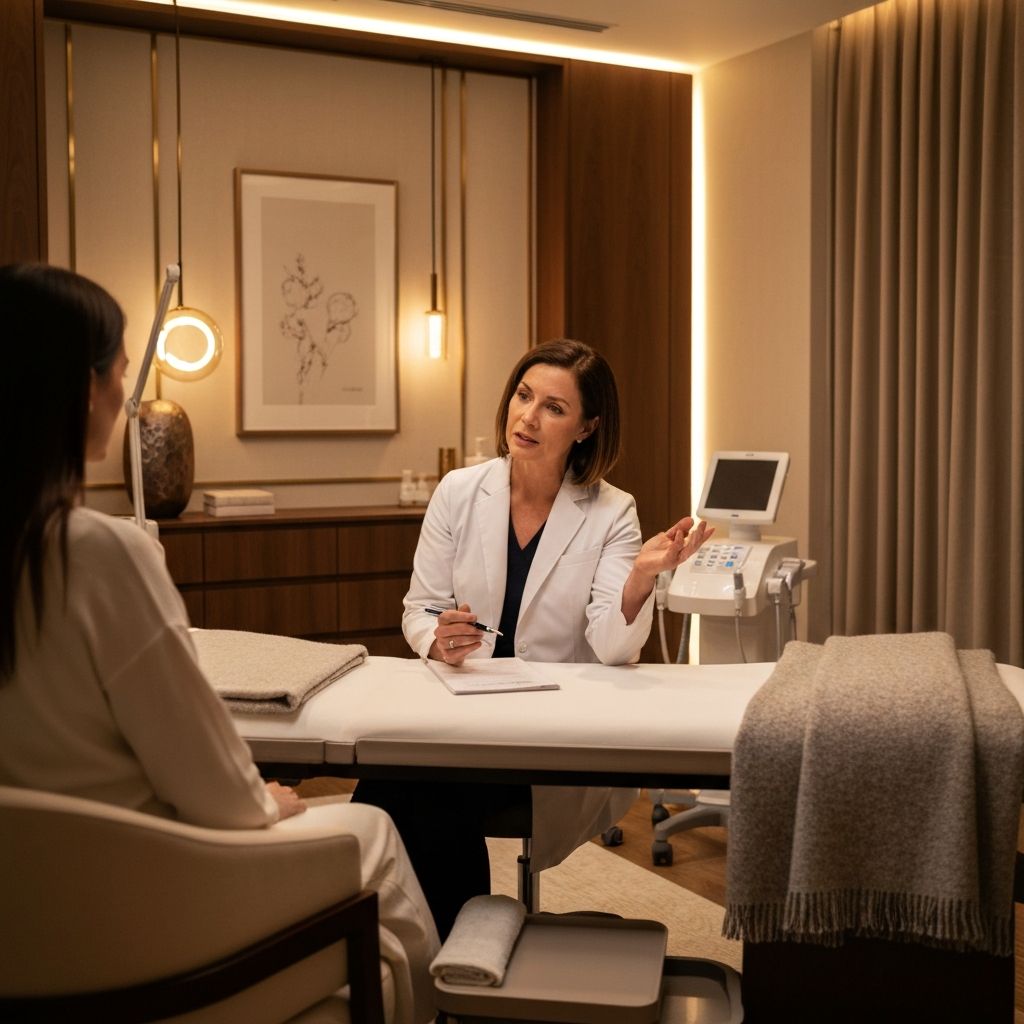
Setting accurate expectations is a critical component of patient satisfaction in Botox treatment. Patients who understand the timeline of results, the nature of the treatment experience, and the importance of follow-up appointments are more satisfied and more loyal to their treating practitioner. Educating patients is therefore as important a clinical skill as injection technique itself.
The Treatment Experience
A Botox treatment session typically takes 15 to 30 minutes from consultation review through to final injection. Most patients describe the sensation as a series of brief pinches. Ice or topical anaesthetic can be applied before treatment for comfort-sensitive patients. Redness and minor swelling at injection sites typically resolves within 30 to 60 minutes.
After Treatment: Results Timeline and Maintenance
Patients should avoid rubbing the treated area, lying down, or engaging in vigorous exercise for four hours after treatment to minimize the risk of toxin migration. Results appear gradually over three to seven days and reach their peak at two weeks, which is also the ideal time for a follow-up review. Most patients maintain their results with treatments every three to four months.
Ziba Aesthetics Training Institute
Ziba Aesthetics Training Institute at 7191 Yonge St Unit 701, Markham, ON teaches medical professionals the complete science and clinical practice of Botox administration. Call (416) 318-7447 or visit aesthetictraining.ca.
Frequently Asked Questions
More Mezogel Booster Articles
Continue learning about Mezogel Booster treatments and training
- Mezogel Booster Treatment in Toronto: Complete Guide
8 min read
- Mezogel Booster Training and Certification in Ontario
7 min read
- Mezogel vs Profhilo: Comparing Skin Booster Treatments
9 min read
- 10 Benefits of Mezogel Booster for Skin Rejuvenation
10 min read
- How to Perform Mezogel Booster: Injection Techniques Guide
11 min read
- Mezogel Booster Side Effects and Safety: Complete Guide
10 min read
More Laser Training Articles
Continue learning about laser training, certification, and aesthetic careers
- Laser Technician Certification in Ontario: Requirements and Training
9 min read
- Advanced Laser Training for Experienced Technicians
7 min read
- Laser Training in Thornhill: Complete Certification Guide
12 min read
- Laser Hair Removal Training in Thornhill: Get Certified
11 min read
- Laser Skin Rejuvenation Training in Thornhill
11 min read
- Best Laser Training Center in Thornhill and Toronto
11 min read
Related Programs
External Resources
- Health Canada – Botox Product Monograph
Health Canada's official product monograph for Botox Cosmetic, including approved indications, dosing guidance, and safety information.
- Aesthetic Surgery Journal – Long-Term Botox Safety Review
Comprehensive peer-reviewed review of botulinum toxin safety data across more than three decades of aesthetic clinical use.