Botox Aftercare Instructions: What Patients Need to Know
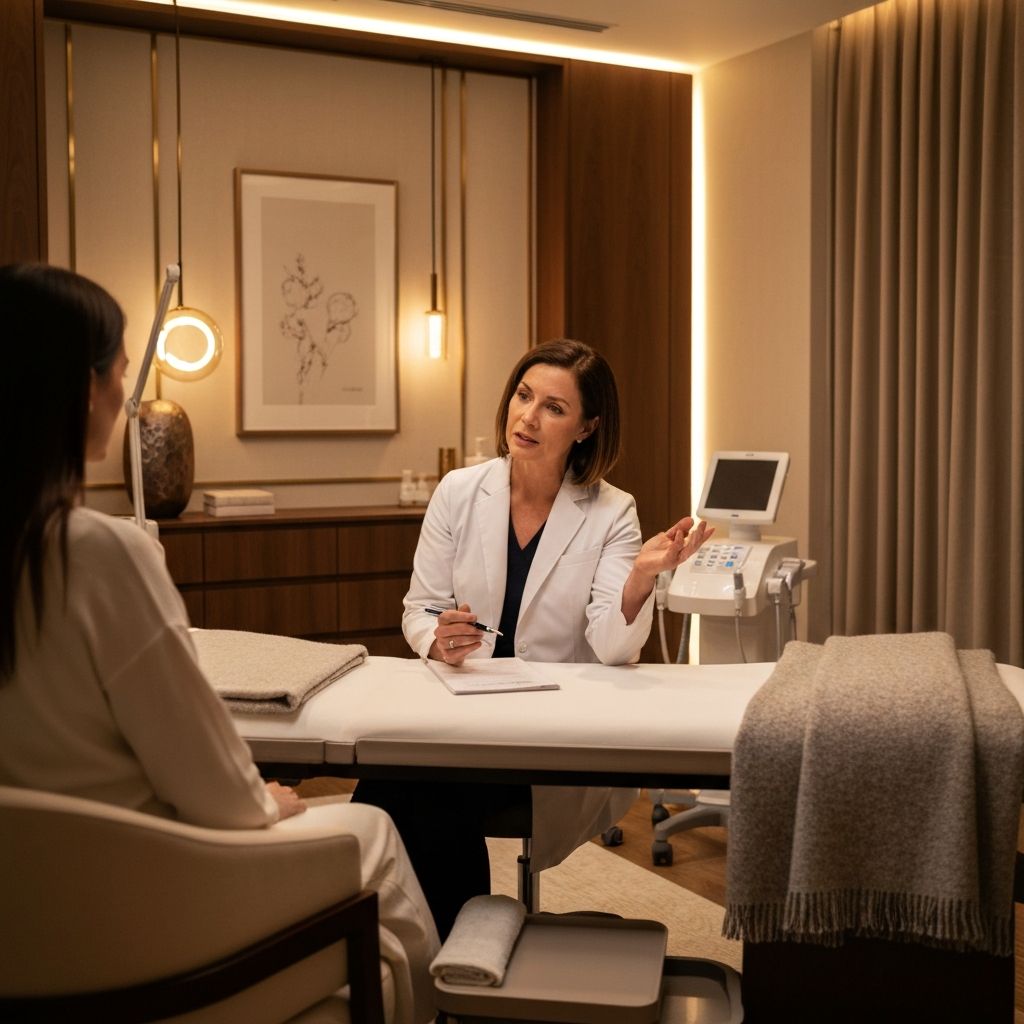
Proper aftercare after Botox treatment ensures the best possible results and minimizes the risk of complications. This guide covers everything patients need to know in the hours, days, and weeks after their treatment.
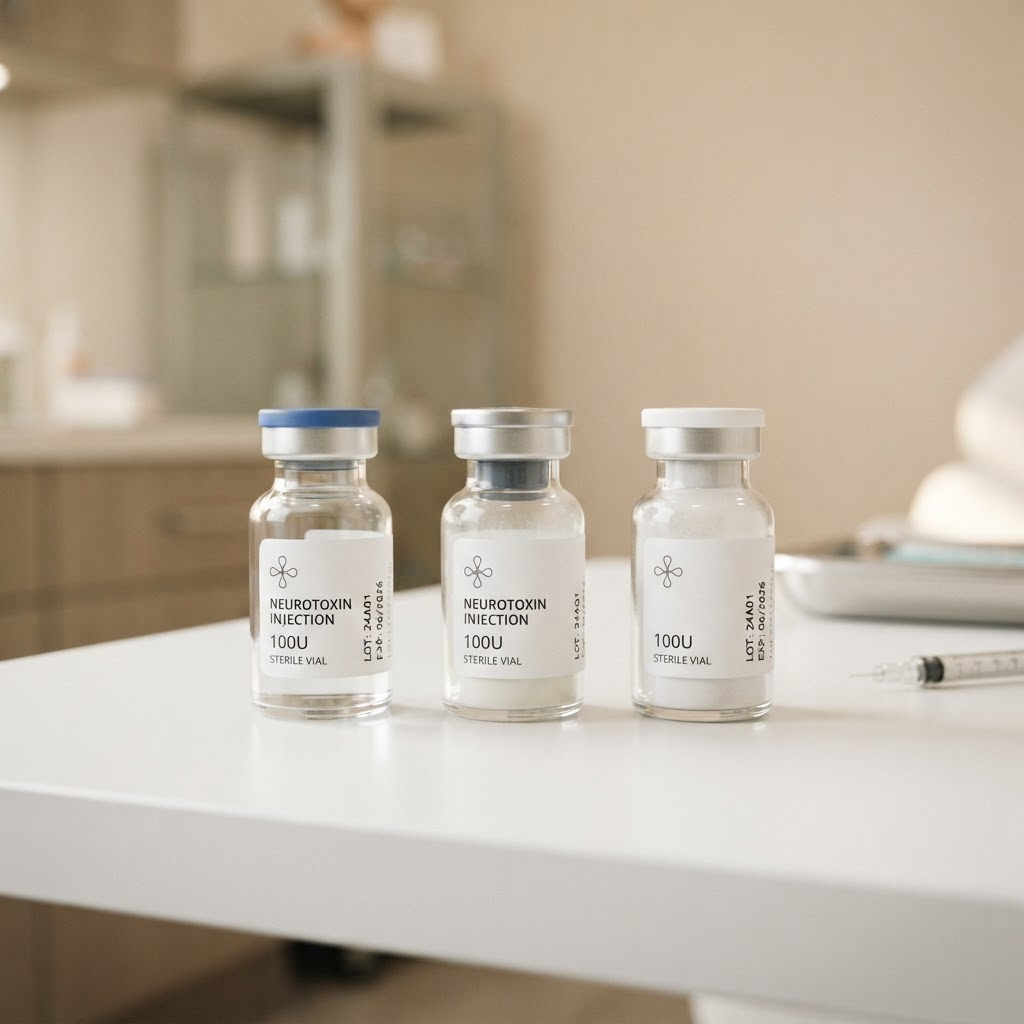
Botox aftercare is often dismissed as a formality, but the actions a patient takes—and avoids—in the hours following their treatment can meaningfully affect both the quality of their results and their risk of minor complications. While Botox has an excellent safety profile and most patients experience no significant adverse effects, following aftercare guidance is a straightforward way to optimize outcomes and minimize the small but real risk of toxin migration to unintended areas. Aesthetic practitioners who provide clear, detailed aftercare instructions demonstrate professional care and help patients become active participants in the success of their own treatment. This guide covers the standard aftercare recommendations that should be given to every Botox patient immediately following their session.
Immediate Post-Treatment Instructions: The First 4 Hours
The first four hours after Botox injection are the period during which toxin migration is theoretically most possible, and the precautions taken during this window are aimed at minimizing any movement of the toxin away from the intended injection sites. While the scientific evidence on many of these restrictions is limited, they represent conservative best-practice recommendations that most practitioners apply consistently.
Avoiding Pressure and Manipulation of the Treated Area
Patients should avoid rubbing, massaging, or pressing on the treated areas for at least four hours after Botox injection. Manipulation of the skin over injection sites can theoretically displace toxin before it has fully bound to the neuromuscular junction, potentially affecting adjacent muscles. This includes avoiding facial massage, aggressive cleansing, and the use of facial devices or tools in the treatment areas.
Avoiding Lying Down and Bending Forward
Patients are traditionally advised to remain upright—avoid lying flat or bending forward significantly—for four hours after treatment. The rationale is that changing head position could allow the toxin to migrate under gravitational influence before full binding occurs. While evidence for this restriction is largely anecdotal, it remains a widely applied conservative precaution in aesthetic practice.
Activity and Exercise After Botox
Exercise is one of the most frequently asked-about post-Botox restrictions, particularly among active patients. The concern is that elevated heart rate and blood flow, combined with movement of the treated facial muscles during exercise, may theoretically increase toxin spread. Most practitioners recommend avoiding vigorous exercise for 24 hours, and some extend this to 48 hours.
Why Exercise Restrictions Exist
Vigorous physical activity increases systemic blood flow and may increase local tissue perfusion around injection sites. This increased flow could theoretically facilitate toxin spread beyond the injection point before binding is complete. Additionally, the physical movements associated with many exercises involve contraction of facial muscles, which some believe may affect initial toxin distribution.
Returning to Normal Activity
After the first 24 hours, most patients can return to their normal exercise routine. Light facial movement—including normal facial expressions—is completely fine and does not affect results. Some practitioners even encourage gentle facial exercises such as frowning and squinting in the first hour after glabella and forehead treatment, believing this may facilitate toxin uptake, though this practice is not universal.
Skin Care and Cosmetics After Botox
Most patients can resume their normal skin care routine within 24 hours of Botox treatment, with some modifications in the immediate post-treatment period. Makeup can generally be applied a few hours after treatment, provided it is applied and removed gently without significant pressure on the treated areas.
When to Resume Makeup
Most practitioners allow makeup application 2–4 hours after Botox treatment, provided the application does not involve significant rubbing or pressure over injection sites. Makeup remover and cleansing should also be performed gently, avoiding vigorous rubbing motions. Patients who prefer to be cautious can wait until the following day before applying and removing makeup.
Active Skin Care Ingredients to Temporarily Avoid
Retinoids, acids (AHAs, BHAs), vitamin C serums, and other active ingredients should be avoided at injection sites for the first 24 hours as these can cause irritation to skin that has been punctured. After the first day, normal skin care routines including active ingredients can be resumed. Patients with particularly reactive skin may benefit from a 48-hour pause before reintroducing actives.
What to Expect: Results Timeline and Follow-Up
Setting accurate expectations about when results appear, how long they last, and what the two-week review involves is an important component of patient education. Patients who are not informed about the gradual onset of Botox effects often contact their practitioners with concern when they do not see immediate results, which is an avoidable source of anxiety that proper aftercare communication prevents.
The Results Timeline
Botox effects begin appearing 3 to 5 days after injection in most patients, with progressive improvement over the first two weeks as the toxin fully binds and inhibits acetylcholine release at the targeted neuromuscular junctions. Peak effect is typically observed at 14 days post-treatment, which is why the two-week review appointment is standard practice for assessing results and addressing any asymmetry.
The Two-Week Review Appointment
The two-week review is the appropriate time to assess the adequacy of the initial treatment. Any residual movement in treated areas that the patient wishes to reduce can be addressed with a small touch-up dose at this visit. Asymmetry that was not noted pre-treatment may also be apparent at two weeks and can be carefully corrected. Patients should be booked for their two-week review at the time of their initial treatment appointment.
Ziba Aesthetics Training Institute
Ziba Aesthetics Training Institute at 7191 Yonge St Unit 701, Markham, ON trains aesthetic practitioners to deliver comprehensive pre- and post-treatment patient education. Call (416) 318-7447 or visit aesthetictraining.ca.
Frequently Asked Questions
More Mezogel Booster Articles
Continue learning about Mezogel Booster treatments and training
- Mezogel Booster Treatment in Toronto: Complete Guide
8 min read
- Mezogel Booster Training and Certification in Ontario
7 min read
- Mezogel vs Profhilo: Comparing Skin Booster Treatments
9 min read
- 10 Benefits of Mezogel Booster for Skin Rejuvenation
10 min read
- How to Perform Mezogel Booster: Injection Techniques Guide
11 min read
- Mezogel Booster Side Effects and Safety: Complete Guide
10 min read
More Laser Training Articles
Continue learning about laser training, certification, and aesthetic careers
- Laser Technician Certification in Ontario: Requirements and Training
9 min read
- Advanced Laser Training for Experienced Technicians
7 min read
- Laser Training in Thornhill: Complete Certification Guide
12 min read
- Laser Hair Removal Training in Thornhill: Get Certified
11 min read
- Laser Skin Rejuvenation Training in Thornhill
11 min read
- Best Laser Training Center in Thornhill and Toronto
11 min read
Related Programs
External Resources
- Allergan Medical – Patient Information for Botox Cosmetic
Official patient-facing information for Botox Cosmetic from the product manufacturer including post-treatment guidance.
- Journal of Cosmetic Dermatology – Post-Botox Complication Prevention
Evidence review on post-treatment protocols and their role in minimizing adverse events following botulinum toxin injection.