Botox Contraindications: Complete Guide for Practitioners
Understanding Botox contraindications is as critical as knowing injection technique. This complete guide covers absolute and relative contraindications, medication interactions, and patient screening protocols for safe aesthetic practice.

Patient safety in aesthetic Botox practice begins not at the point of injection but at the consultation—specifically, in the thorough identification of contraindications that would make treatment unsafe, inadvisable, or legally problematic. Practitioners who administer Botox without a systematic contraindication screening protocol expose themselves and their patients to preventable harm and significant legal liability. At Ziba Aesthetics Training Institute, contraindication awareness is built into every module of the Botox training curriculum because understanding when not to treat is as important as understanding how to treat. This guide provides a comprehensive reference for absolute and relative Botox contraindications, medication interactions to consider, and the patient history questions that should form part of every pre-treatment consultation.
Absolute Contraindications to Botox Treatment
Absolute contraindications are conditions or circumstances under which Botox treatment must never be administered, regardless of patient preference or mitigating factors. These contraindications reflect situations where the risk of serious harm is sufficiently high that no potential aesthetic benefit can justify treatment. Every practitioner must memorize and consistently apply absolute contraindication criteria.
Neuromuscular Disorders
Patients with neuromuscular junction disorders including myasthenia gravis, Lambert-Eaton syndrome, and amyotrophic lateral sclerosis (ALS) are absolutely contraindicated for Botox treatment. These conditions impair the normal function of the neuromuscular junction, and botulinum toxin can cause exaggerated, potentially life-threatening muscular weakness including respiratory failure in affected individuals.
Pregnancy and Breastfeeding
Botox is absolutely contraindicated in pregnancy and is generally considered contraindicated during breastfeeding. While there is no direct evidence of fetal harm from cosmetic Botox doses, the toxin is a protein that could theoretically cross the placental barrier, and no safety studies have been conducted in pregnant women. Practitioners should screen all female patients of reproductive age and decline treatment if pregnancy cannot be excluded.
Relative Contraindications: Clinical Judgment Required
Relative contraindications are conditions that increase the risk of adverse outcomes but do not absolutely preclude treatment in all circumstances. These require informed clinical judgment—weighing the specific patient's risk profile against the potential benefit, and ensuring that the patient fully understands any elevated risk before providing consent.
Infection at or Near the Injection Site
Active infection—bacterial, viral, or fungal—in the area to be treated is a relative contraindication that becomes absolute when the infection is significant or widespread. Introducing a needle through infected tissue can disseminate pathogens, and compromised tissue may impair toxin binding and increase complication risk. Treatment should be deferred until the infection is fully resolved.
Excessive Skin Laxity and Certain Skin Conditions
Patients with severe skin laxity or certain inflammatory skin conditions in the treatment area may experience suboptimal results or increased irritation from Botox treatment. These are not absolute contraindications but require realistic expectation management and potentially modified technique. Patients with active psoriasis, severe rosacea, or contact dermatitis in the planned treatment zone should be evaluated carefully.
Medication Interactions with Botox
Several medications can potentiate the effect of botulinum toxin or increase bleeding risk at injection sites. A thorough medication history—including prescribed medications, over-the-counter products, and supplements—should be obtained at every consultation. Practitioners must be familiar with the key drug interactions that influence treatment safety and outcomes.
Medications That Potentiate Botox Effect
Aminoglycoside antibiotics (gentamicin, tobramycin) potentiate the effect of botulinum toxin at the neuromuscular junction and can cause exaggerated muscular weakness when used concurrently with Botox. Quinine, chloroquine, and hydroxychloroquine may similarly increase toxin sensitivity. Practitioners should advise patients taking these medications to inform them before treatment and should consider dose reduction.
Anticoagulants and Bruising Risk
Warfarin, direct oral anticoagulants (DOACs), aspirin, NSAIDs, fish oil, vitamin E, and garlic supplements all increase bleeding risk and the likelihood of post-treatment bruising. While bruising from Botox injections is generally minor, patients on therapeutic anticoagulation warrant a specific discussion about this risk. Discontinuing supplements (where medically safe) before treatment can reduce bruising incidence.
Pre-Treatment Screening Protocol
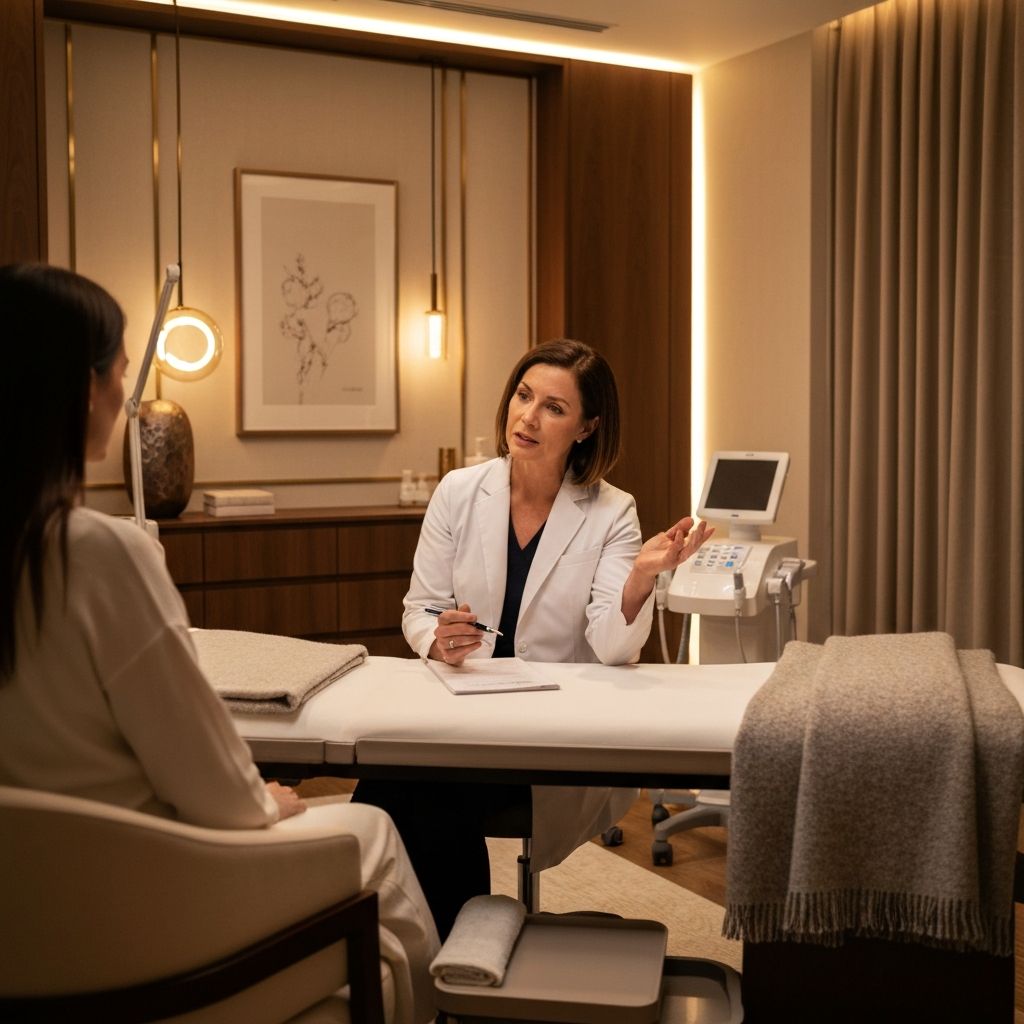
A systematic pre-treatment screening protocol ensures that contraindications are identified consistently across every patient interaction. Relying on patient volunteers or single questions is insufficient—a structured intake form combined with a verbal consultation review provides the most reliable contraindication identification. Ziba Aesthetics trains students to implement and adhere to comprehensive screening protocols as a non-negotiable clinical standard.
Essential Questions in the Botox Intake Form
A comprehensive Botox intake form should include: current medications (prescribed and OTC), supplements and herbal remedies, history of neuromuscular disease, current or planned pregnancy and breastfeeding status, previous Botox or filler treatments and any reactions experienced, known allergies including to eggs and albumin, active skin conditions, and current infection or illness. Practitioners should review and verbally confirm key responses before proceeding.
Documenting and Communicating Contraindications
When a relative contraindication is identified, the practitioner's clinical reasoning, patient discussion, and decision to proceed or defer must be documented in the patient record. This documentation protects the practitioner in the event of an adverse outcome and demonstrates the standard of care applied in the consultation. For absolute contraindications, clear documentation of the reason for deferral should be recorded.
Ziba Aesthetics Training Institute
Ziba Aesthetics Training Institute at 7191 Yonge St Unit 701, Markham, ON integrates comprehensive contraindication training into every Botox and injectable certification program. Call (416) 318-7447 or visit aesthetictraining.ca.
Frequently Asked Questions
More Mezogel Booster Articles
Continue learning about Mezogel Booster treatments and training
- Mezogel Booster Treatment in Toronto: Complete Guide
8 min read
- Mezogel Booster Training and Certification in Ontario
7 min read
- Mezogel vs Profhilo: Comparing Skin Booster Treatments
9 min read
- 10 Benefits of Mezogel Booster for Skin Rejuvenation
10 min read
- How to Perform Mezogel Booster: Injection Techniques Guide
11 min read
- Mezogel Booster Side Effects and Safety: Complete Guide
10 min read
More Laser Training Articles
Continue learning about laser training, certification, and aesthetic careers
- Laser Technician Certification in Ontario: Requirements and Training
9 min read
- Advanced Laser Training for Experienced Technicians
7 min read
- Laser Training in Thornhill: Complete Certification Guide
12 min read
- Laser Hair Removal Training in Thornhill: Get Certified
11 min read
- Laser Skin Rejuvenation Training in Thornhill
11 min read
- Best Laser Training Center in Thornhill and Toronto
11 min read
Related Programs
External Resources
- Allergan – Botox Cosmetic Prescribing Information
Official prescribing information including full contraindication list, drug interactions, and safety precautions for Botox Cosmetic.
- Aesthetic Surgery Journal – Botox Safety Review
Comprehensive clinical review of botulinum toxin safety across aesthetic indications including contraindication management.