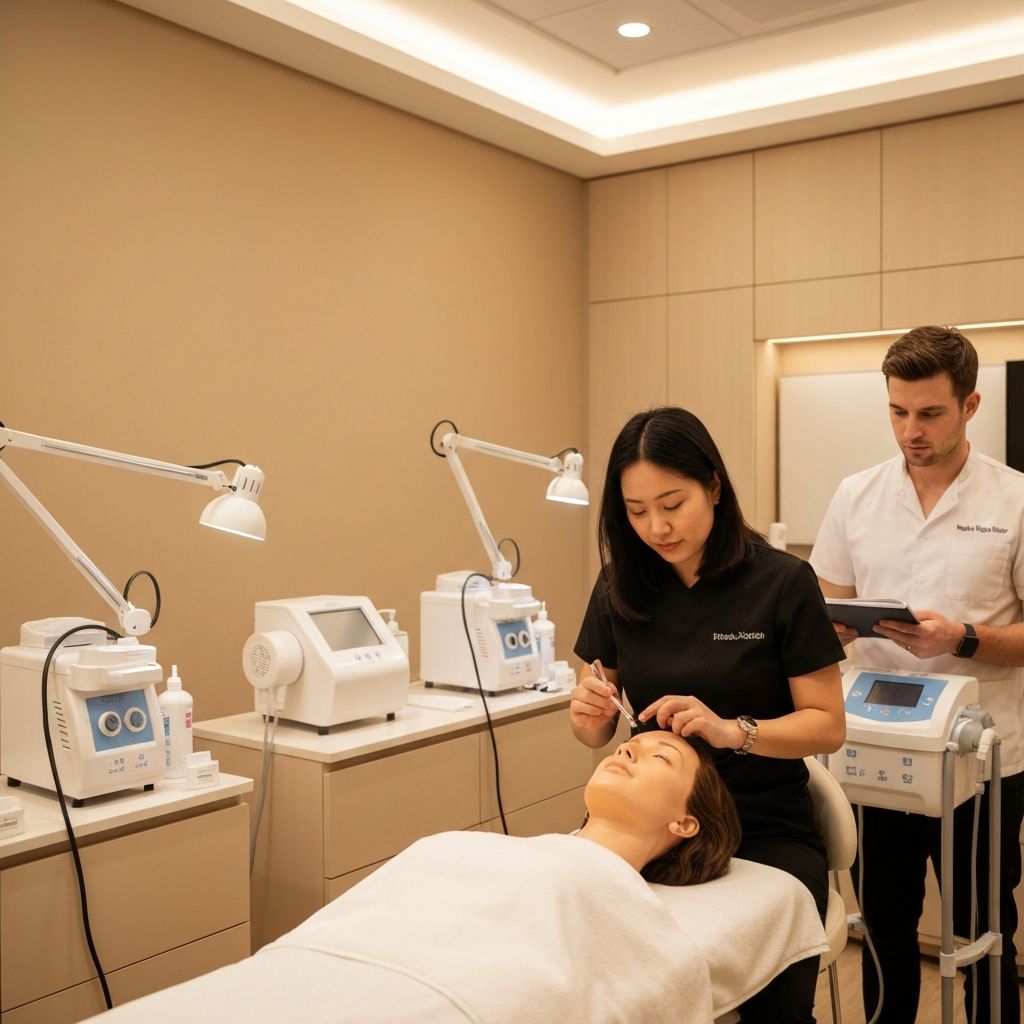
Dermal Filler Aftercare Guide: What to Do After Filler Treatment
Filler aftercare directly affects both the safety and aesthetics of your results. This complete guide explains what to do, what to avoid, and what side effects are normal after dermal filler treatment.
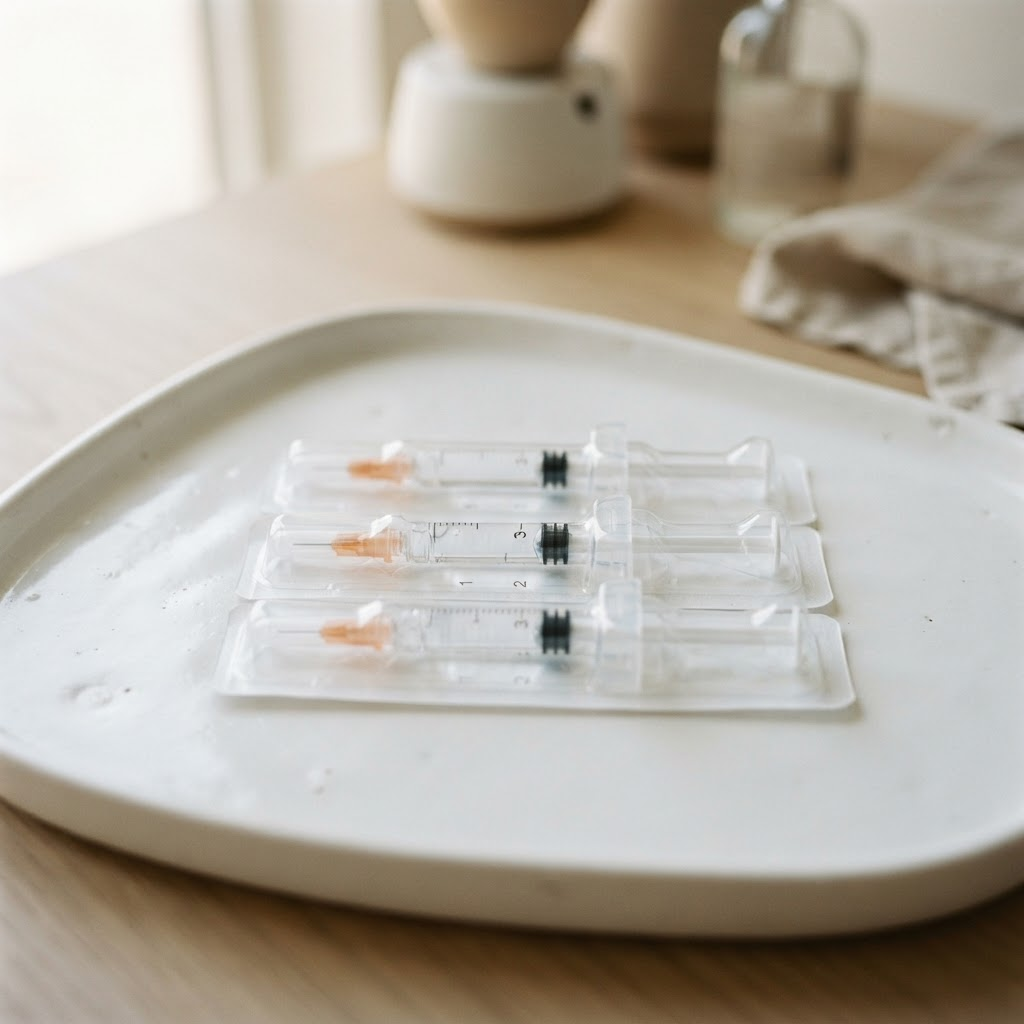
Dermal filler aftercare is a critical but frequently underemphasized component of the treatment experience. The hours and days following filler injection are when the treated tissue is most susceptible to swelling, bruising, and in rare cases, more serious complications that require prompt attention. Patients who receive clear, comprehensive aftercare instructions are better equipped to manage normal side effects, identify early warning signs of complications, and achieve optimal aesthetic results from their treatment. For practitioners, providing excellent aftercare education is also a professional obligation and a powerful driver of patient satisfaction, trust, and loyalty. This guide covers the full spectrum of filler aftercare—from the treatment room through to the weeks following treatment.
Immediate Aftercare: The First 24 Hours
The first 24 hours after filler injection are the period of highest swelling and bruising risk and the time when the filler is most susceptible to displacement through external pressure. Patients should be given both verbal and written aftercare instructions before leaving the treatment setting so they have a reliable reference during this critical window.
Managing Swelling and Bruising
Swelling after filler injection is normal and expected, particularly in the lips, where swelling can be quite pronounced for 48–72 hours before settling to the final healed result. Applying a cold compress (ice wrapped in a cloth, never directly on skin) for 10–15 minutes several times in the first few hours reduces swelling and bruising. Patients should avoid heat exposure—hot drinks, saunas, vigorous exercise—in the first 24 hours to minimize vascular response.
Avoiding Pressure and Manipulation
Patients must not press, massage, or manipulate the treated area in the first 24 hours, as filler can be displaced before it has fully integrated with surrounding tissue. This includes avoiding facial masks, aggressive cleansing, facial massage devices, and CPAP masks in the first 24–48 hours for patients who use them. Sleeping on one's back rather than the side can reduce pressure on treated facial areas overnight.
Specific Aftercare by Treatment Area
Aftercare requirements vary somewhat by treatment area, as different parts of the face have different anatomy, mobility, and healing characteristics. Practitioners should tailor aftercare instructions to the specific areas treated rather than providing generic guidance that may not address the patient's specific needs.
Lip Filler Aftercare
Lip filler requires the most specific aftercare guidance because the lips are the most mobile area of the face and typically produce the most pronounced post-treatment swelling. Patients should avoid kissing, straws, spicy foods, and very hot beverages for 24–48 hours. The final shape and volume of lip filler results should not be assessed until swelling has fully resolved, typically at 7–14 days—patients should be strongly advised not to panic about initial appearance.
Cheek and Mid-Face Filler Aftercare
Cheek filler typically produces less dramatic acute swelling than lip filler but can cause visible fullness and subtle asymmetry in the first week as swelling resolves at different rates on each side. Patients should be advised that mild bilateral asymmetry in the first week is normal and expected, and that final assessment should occur at the 2-week follow-up visit after swelling has fully settled.
Warning Signs That Require Immediate Contact
While the vast majority of filler side effects are minor and resolve spontaneously, practitioners must ensure that every patient can identify the warning signs of serious complications—particularly vascular occlusion—and knows to contact their practitioner immediately if they occur. This is not optional communication; it is a patient safety requirement.
Signs of Vascular Compromise
The early warning signs of vascular occlusion following filler injection include: skin blanching (a white or pale colour) at or near the injection site that does not resolve within 20–30 minutes; skin mottling or a livedo-like pattern; intensifying pain that seems disproportionate to the procedure; and delayed capillary refill on light finger-press testing. Patients who notice any of these signs should contact their practitioner immediately—vascular occlusion is a time-sensitive emergency.
Signs of Infection and Inflammation
While acute infection after filler is uncommon with appropriate technique and sterile preparation, it does occur. Signs of developing infection include increasing redness, warmth, swelling, and pain developing 48+ hours after treatment (when normal post-treatment swelling should be declining), and the development of pus or skin breakdown. Late-onset nodules appearing weeks to months after treatment may indicate biofilm formation and require specialist assessment.
Long-Term Filler Care and Maintenance
Dermal filler is a temporary treatment that requires maintenance at regular intervals to sustain results. Understanding the long-term care considerations helps patients protect their investment and maintain optimal outcomes across multiple treatment cycles. Practitioners who educate patients about long-term maintenance build more loyal, longer-term client relationships.
Sun Protection and Skin Care
Sun exposure accelerates hyaluronic acid degradation and can worsen the appearance of aging in filler-treated areas. Daily SPF 30+ sunscreen, consistent hydration, and a good medical-grade skin care routine all support the longevity of filler results and the overall quality of the skin in treated areas. Patients who maintain healthy skin complement their filler results and require less product volume to achieve their desired outcome over time.
Scheduling Maintenance Treatments
Most HA fillers require maintenance at 6 to 18 months depending on the product, area, and individual patient metabolism. Rebooking before results are fully gone—rather than waiting until volume is completely lost—typically requires less product to restore the desired outcome and produces more consistently maintained results. Practitioners should advise patients on their recommended maintenance interval at the 2-week follow-up visit.
Ziba Aesthetics Training Institute
Ziba Aesthetics Training Institute at 7191 Yonge St Unit 701, Markham, ON trains qualified medical professionals in comprehensive filler technique and patient aftercare education. Call (416) 318-7447 or visit aesthetictraining.ca.
Frequently Asked Questions
More Mezogel Booster Articles
Continue learning about Mezogel Booster treatments and training
- Mezogel Booster Treatment in Toronto: Complete Guide
8 min read
- Mezogel Booster Training and Certification in Ontario
7 min read
- Mezogel vs Profhilo: Comparing Skin Booster Treatments
9 min read
- 10 Benefits of Mezogel Booster for Skin Rejuvenation
10 min read
- How to Perform Mezogel Booster: Injection Techniques Guide
11 min read
- Mezogel Booster Side Effects and Safety: Complete Guide
10 min read
More Laser Training Articles
Continue learning about laser training, certification, and aesthetic careers
- Laser Technician Certification in Ontario: Requirements and Training
9 min read
- Advanced Laser Training for Experienced Technicians
7 min read
- Laser Training in Thornhill: Complete Certification Guide
12 min read
- Laser Hair Removal Training in Thornhill: Get Certified
11 min read
- Laser Skin Rejuvenation Training in Thornhill
11 min read
- Best Laser Training Center in Thornhill and Toronto
11 min read
Related Programs
External Resources
- Journal of Aesthetic Medicine – Filler Complication Recognition Guide
Clinical guide to recognizing and managing early and late complications of dermal filler treatment including vascular occlusion.
- Canadian Society of Plastic Surgeons – Patient Safety in Filler Treatments
Patient safety guidelines and educational resources for those considering or undergoing dermal filler treatment in Canada.