Who Can Take Botox & Filler Training in Ontario? Full Guide
Understanding who qualifies for Botox and filler training in Ontario is the first step toward a successful aesthetic career. This guide explains eligibility requirements, medical director authorization, and what to expect from professional injectable training.

One of the most common questions prospective students ask before enrolling in a Botox or filler course is: am I eligible? In Ontario, the administration of neuromodulators and dermal fillers constitutes a controlled act under the Regulated Health Professions Act (RHPA), which means that eligibility is determined by professional designation and authorization—not just by willingness to learn. At Ziba Aesthetics Training Institute, we are committed to training only qualified individuals who can legally and safely offer injectable services. This guide explains who can take Botox and filler training in Ontario, what supporting documentation may be required, and how the authorization framework protects both practitioners and their patients.
Understanding Ontario's Controlled Acts Framework
Ontario's RHPA designates certain health care activities as 'controlled acts' that may only be performed by authorized regulated health professionals or their delegates. Subcutaneous and intramuscular injection—which covers Botox and filler administration—is one such controlled act. This framework exists to protect the public by ensuring that invasive procedures are performed only by individuals with sufficient training and accountability.
What Makes Injection a Controlled Act?
Controlled acts carry inherent risk of serious patient harm if performed incompetently. Subcutaneous and intramuscular injections involve puncturing the body, introducing foreign substances, and—in the case of neurotoxins and fillers—causing significant tissue effects. The controlled act designation ensures that a regulated professional bears legal and professional accountability for these outcomes.
How Delegation Works in Practice
A regulated health professional (such as a physician or nurse) may delegate a controlled act to an unregulated individual under specific conditions, including adequate training and supervision. In the aesthetic context, this delegation is typically formalized through a Medical Director agreement that outlines the services authorized, the oversight structure, and the conditions under which treatments may be performed.
Who Is Automatically Eligible for Botox and Filler Training?
Certain regulated health professionals in Ontario are inherently authorized to perform injections within their scope of practice, making them eligible for aesthetic injectable training without additional authorization documentation. These professionals bring existing clinical skills that accelerate their learning curve in the aesthetic setting.
Registered Nurses and Nurse Practitioners
RNs and NPs are among the most common enrollees in Botox and filler training programs. Both designations include injection within their scope of practice, and their foundational anatomy, pharmacology, and patient assessment skills translate directly to aesthetic injectable practice. Ziba's courses for nursing professionals build on this existing knowledge base.
Medical Doctors and International Medical Doctors
MD-qualified physicians, including those trained abroad and recognized by the CPSO or practising under a specific authorization, are fully eligible for all aesthetic injectable training programs. Many international medical doctors use aesthetic training as a pathway to clinical practice while navigating the requirements for full CPSO licensure.
Medical Director Authorization: The Third Pathway
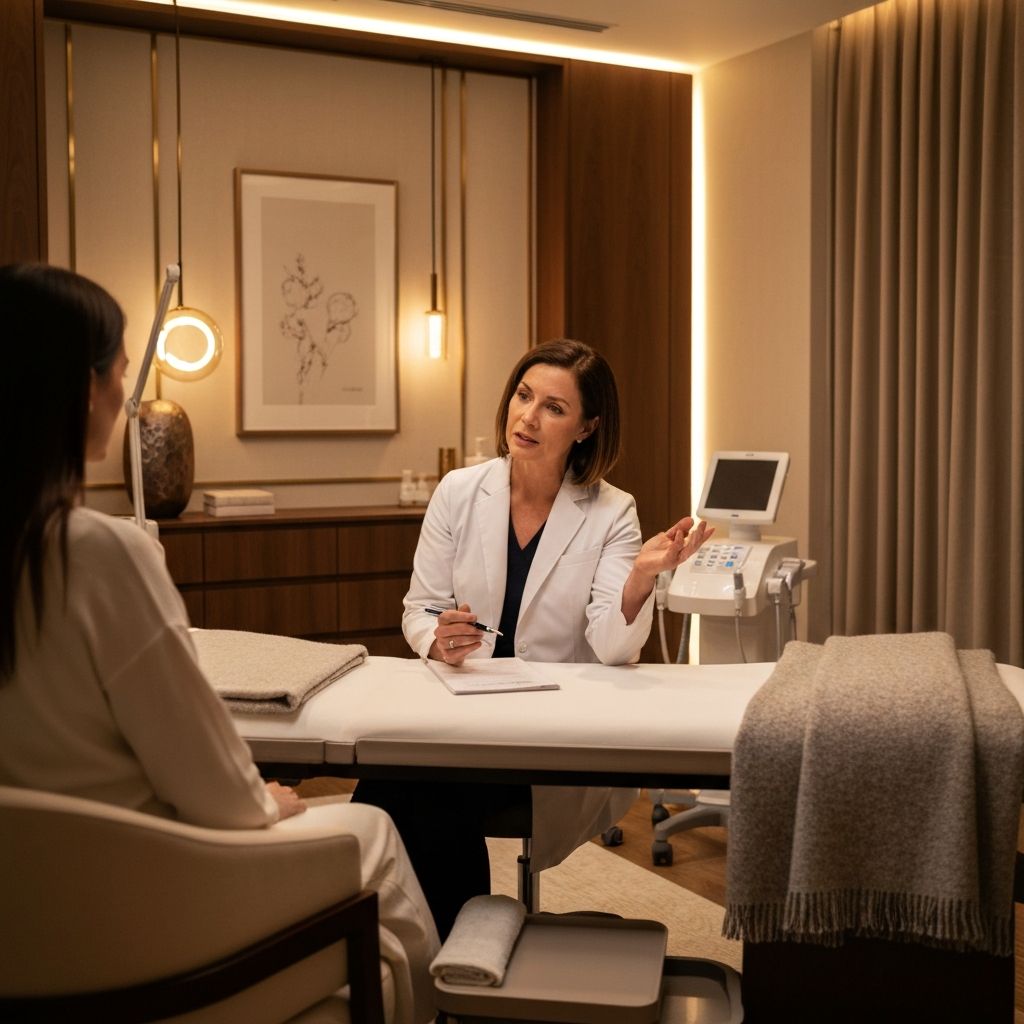
Individuals who are not themselves regulated health professionals may still access Botox and filler training if they can demonstrate that they will be operating under a formal Medical Director agreement. This pathway is most commonly used by spa owners, aestheticians, and wellness practitioners who have established or intend to establish a relationship with a supervising physician.
What Must a Medical Director Authorization Letter Include?
A valid Medical Director authorization letter must identify the supervising physician by name and CPSO registration number, specify the procedures being authorized, describe the oversight arrangement, and be signed and dated. Ziba Aesthetics Training Institute reviews authorization letters prior to enrollment to confirm they meet the necessary requirements.
Finding a Medical Director in Ontario
Securing a Medical Director is a practical step that requires outreach to licensed Ontario physicians willing to provide aesthetic oversight. Some physicians specialize in medical director services for aesthetic clinics. At Ziba, our admissions team can provide guidance on how to approach this process and what to look for in a suitable Medical Director relationship.
Professionals Who Are Not Eligible
Not everyone who is interested in aesthetic injections can legally train and practice in Ontario. Individuals without a regulated health designation and without a Medical Director authorization cannot legally administer Botox or fillers in Ontario, regardless of training received. It is important to understand these boundaries before investing in a course.
Aestheticians and Spa Technicians
Traditional aestheticians, estheticians, and spa technicians are not authorized to independently administer injectable neuromodulators or dermal fillers in Ontario. However, those who establish a legitimate Medical Director agreement and operate under physician oversight may be eligible through the delegation pathway.
Individuals Without Professional Designation
Members of the general public without any regulated health designation cannot legally administer Botox or fillers in Ontario under any circumstances. Reputable training institutions will not admit these individuals, and practising without authorization exposes both the practitioner and their clients to serious legal and health risks.
Ziba Aesthetics Training Institute
Ziba Aesthetics Training Institute at 7191 Yonge St Unit 701, Markham, ON is committed to training only eligible, qualified practitioners. If you are unsure about your eligibility, our admissions team is happy to guide you. Call (416) 318-7447 or visit aesthetictraining.ca.
Frequently Asked Questions
More Mezogel Booster Articles
Continue learning about Mezogel Booster treatments and training
- Mezogel Booster Treatment in Toronto: Complete Guide
8 min read
- Mezogel Booster Training and Certification in Ontario
7 min read
- Mezogel vs Profhilo: Comparing Skin Booster Treatments
9 min read
- 10 Benefits of Mezogel Booster for Skin Rejuvenation
10 min read
- How to Perform Mezogel Booster: Injection Techniques Guide
11 min read
- Mezogel Booster Side Effects and Safety: Complete Guide
10 min read
More Laser Training Articles
Continue learning about laser training, certification, and aesthetic careers
- Laser Technician Certification in Ontario: Requirements and Training
9 min read
- Advanced Laser Training for Experienced Technicians
7 min read
- Laser Training in Thornhill: Complete Certification Guide
12 min read
- Laser Hair Removal Training in Thornhill: Get Certified
11 min read
- Laser Skin Rejuvenation Training in Thornhill
11 min read
- Best Laser Training Center in Thornhill and Toronto
11 min read
Related Programs
External Resources
- Ontario RHPA – Controlled Acts Legislation
The full text of Ontario's Regulated Health Professions Act, including the list of controlled acts that govern aesthetic injection practice.
- College of Nurses of Ontario – Aesthetic Practice Guidance
CNO position statements and practice standards relevant to nurses performing aesthetic procedures including injectables.