Who Can Perform PRP in Ontario? Is It a Controlled Act?
PRP looks simple but legally it involves two controlled acts: taking blood and injecting. Here's who can perform PRP in Ontario and how to train for it.
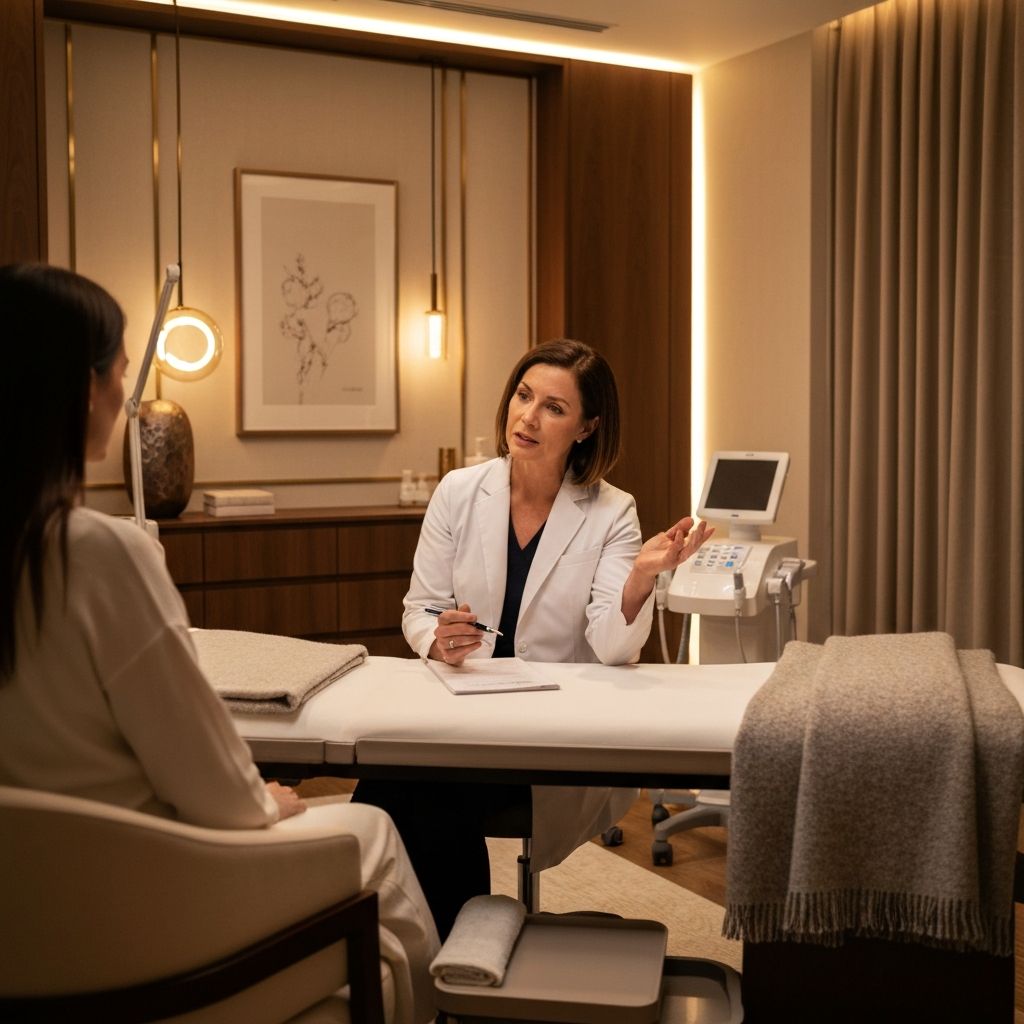
Short answer: PRP is restricted. Preparing PRP requires taking blood, and delivering it requires injection — both are controlled acts under Ontario law. That means PRP is limited to authorized regulated professionals (physicians, NPs, and nurses acting under an order or directive). Estheticians are not authorized to draw blood or inject.
Two controlled acts, not one
PRP (platelet-rich plasma) is often marketed as a natural, minimally invasive treatment, which can make it sound low-risk from a regulatory standpoint. Legally, it is the opposite of simple. Under the Regulated Health Professions Act, 1991, taking blood and administering a substance by injection are both controlled acts. PRP requires both.
Who is authorized
• Physicians and nurse practitioners — authorized within their scope. • RNs and RPNs — under a valid order or directive from a prescriber, consistent with CNO guidance. • Not estheticians or other non-regulated practitioners — they cannot draw blood or inject, regardless of PRP training.
PRP with microneedling ('vampire facial')
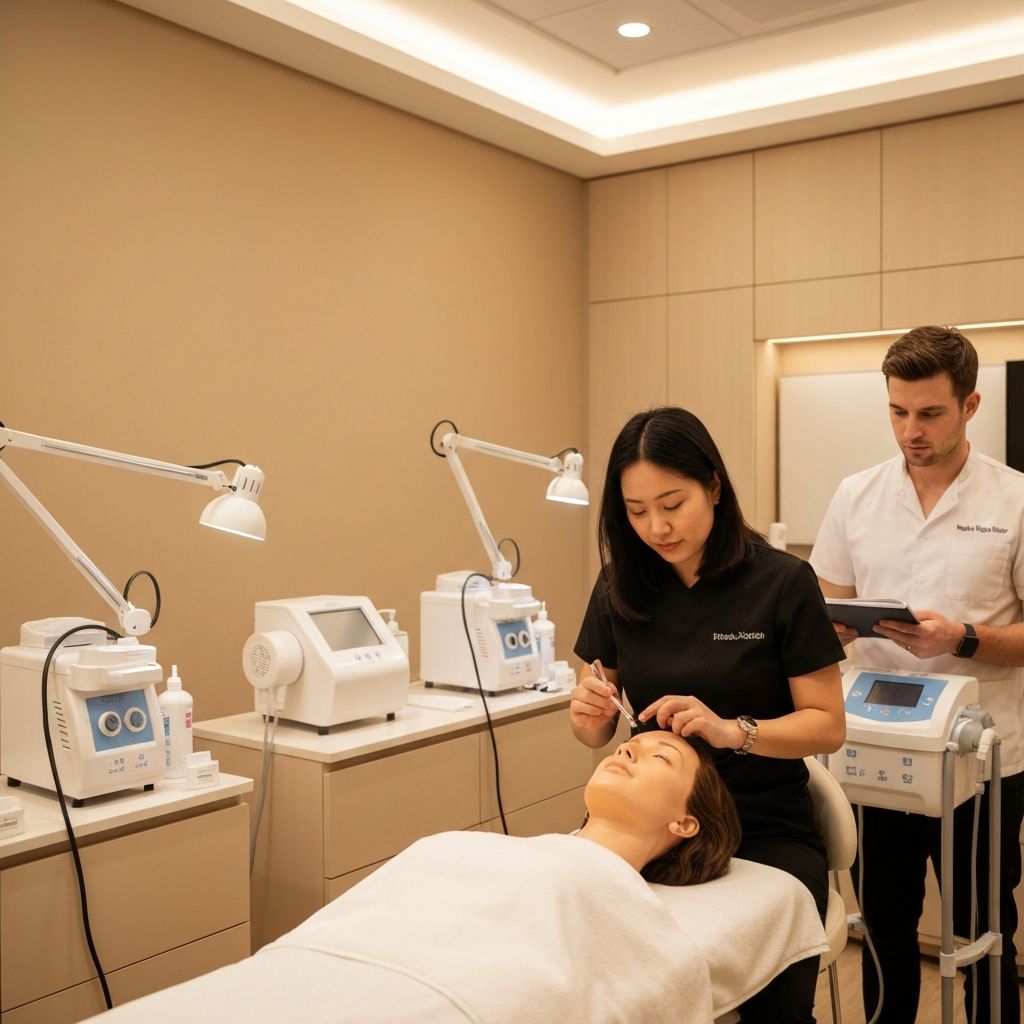
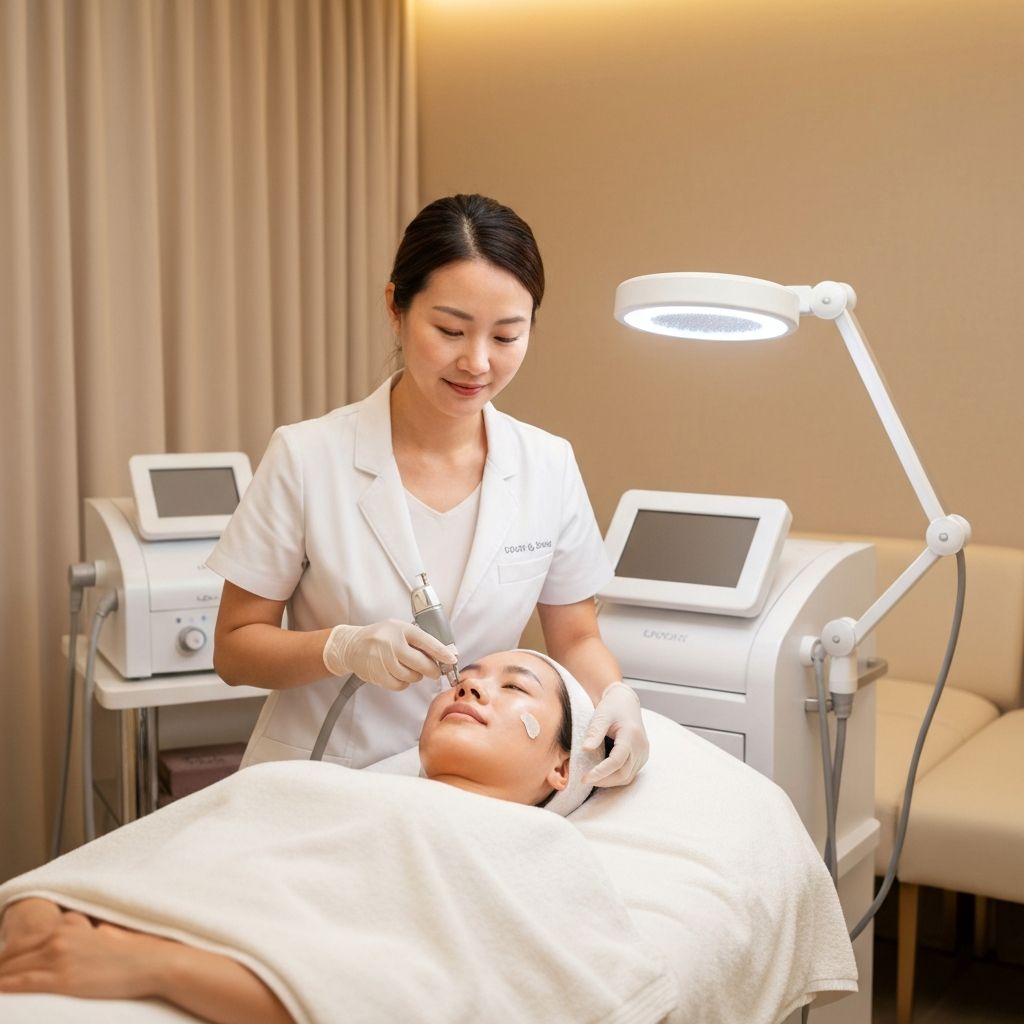
A common combination applies PRP topically during or after microneedling. Even here, obtaining the PRP still requires a blood draw — a controlled act — so a regulated professional must be involved in producing it. The needling component may be performed by a trained non-injector, but the blood-handling component cannot. Comparison — Draw blood — Controlled act?: Yes; Who can do it: Authorized regulated professional. Centrifuge / prepare PRP — Controlled act?: Handling, not a controlled act itself; Who can do it: Trained staff under protocol. Inject PRP — Controlled act?: Yes; Who can do it: Authorized injector. Apply PRP topically with needling — Controlled act?: Needling depends on depth; Who can do it: Trained practitioner (blood draw still restricted).
Training and safety
Why PRP's 'natural' image causes compliance mistakes
PRP is frequently marketed as natural and low-risk because it uses the client's own blood. That framing is medically reasonable but legally misleading: 'natural' has no bearing on whether a procedure is a controlled act. The determining factors are that blood is drawn and a substance is injected — both restricted regardless of where the material comes from. Clinics that internalise the marketing rather than the law sometimes let unauthorized staff handle steps they shouldn't. The safest mental model is to treat every PRP case as a medical procedure from blood draw to injection, with authorized professionals responsible for the restricted steps and rigorous infection control throughout. Handling blood also raises biohazard and sharps obligations that a purely cosmetic mindset can overlook. • Don't let 'it's natural' dilute your scope and safety discipline. • Ensure an authorized professional performs the blood draw and any injection. • Apply full infection-control and sharps-handling standards to blood-contaminated waste. • Document consent, preparation and lot/kit details for traceability. Because PRP handles blood, infection control and safe sharps practice are essential, and clinics should follow facility standards and appropriate medical oversight. Ziba's Plasma PRP course and one-day PRP Certificate are open to medical professionals only, reflecting the scope requirements above. They cover blood-draw technique, preparation protocols, injection technique and safety — building on the authority your regulated credential already provides.
Ziba Aesthetics Training Institute
Ziba Aesthetics Training Institute is located at 7191 Yonge St, Unit 701, Markham, ON, serving the Greater Toronto Area. To learn more about the Plasma PRP program or discuss your goals, book a consultation or start your application with our admissions team.
Frequently Asked Questions
More Mezogel Booster Articles
Continue learning about Mezogel Booster treatments and training
- Mezogel Booster Treatment in Toronto: Complete Guide
8 min read
- Mezogel Booster Training and Certification in Ontario
7 min read
- Mezogel vs Profhilo: Comparing Skin Booster Treatments
9 min read
- 10 Benefits of Mezogel Booster for Skin Rejuvenation
10 min read
- How to Perform Mezogel Booster: Injection Techniques Guide
11 min read
- Mezogel Booster Side Effects and Safety: Complete Guide
10 min read
More Laser Training Articles
Continue learning about laser training, certification, and aesthetic careers
- Laser Technician Certification in Ontario: Requirements and Training
9 min read
- Advanced Laser Training for Experienced Technicians
7 min read
- Laser Training in Thornhill: Complete Certification Guide
12 min read
- Laser Hair Removal Training in Thornhill: Get Certified
11 min read
- Laser Skin Rejuvenation Training in Thornhill
11 min read
- Best Laser Training Center in Thornhill and Toronto
11 min read
Related Programs
External Resources
- Regulated Health Professions Act, 1991 (RHPA), s.27 controlled acts — Ontario e-Laws
Establishes that 'administering a substance by injection or inhalation' is a controlled act. Canonical e-Laws page (content is JavaScript-rendered; corroborated by multiple regulator summaries). Source: https://www.ontario.ca/laws/statute/91r18
- Scope of Practice — practice standard, College of Nurses of Ontario
CNO practice standard on controlled acts, orders and authorizing mechanisms for nurses. Verified. Source: https://cno.org/Assets/CNO/Documents/Standard-and-Learning/Practice-Standards/49041-scope-of-practice.pdf
- O. Reg. 136/18: Personal Service Settings (under the Health Protection and Promotion Act) — CanLII
Governs infection-prevention standards for personal service settings (aesthetics, electrolysis, nails, tattooing); enforced by local public health units. Verified. Source: https://www.canlii.org/en/on/laws/regu/o-reg-136-18/latest/o-reg-136-18.html