Understanding Vascular Occlusion and Why Filler Safety Training Matters
Vascular occlusion is one of the most serious risks in filler treatment. Here's an awareness-level overview of what it is and why proper safety training is essential.
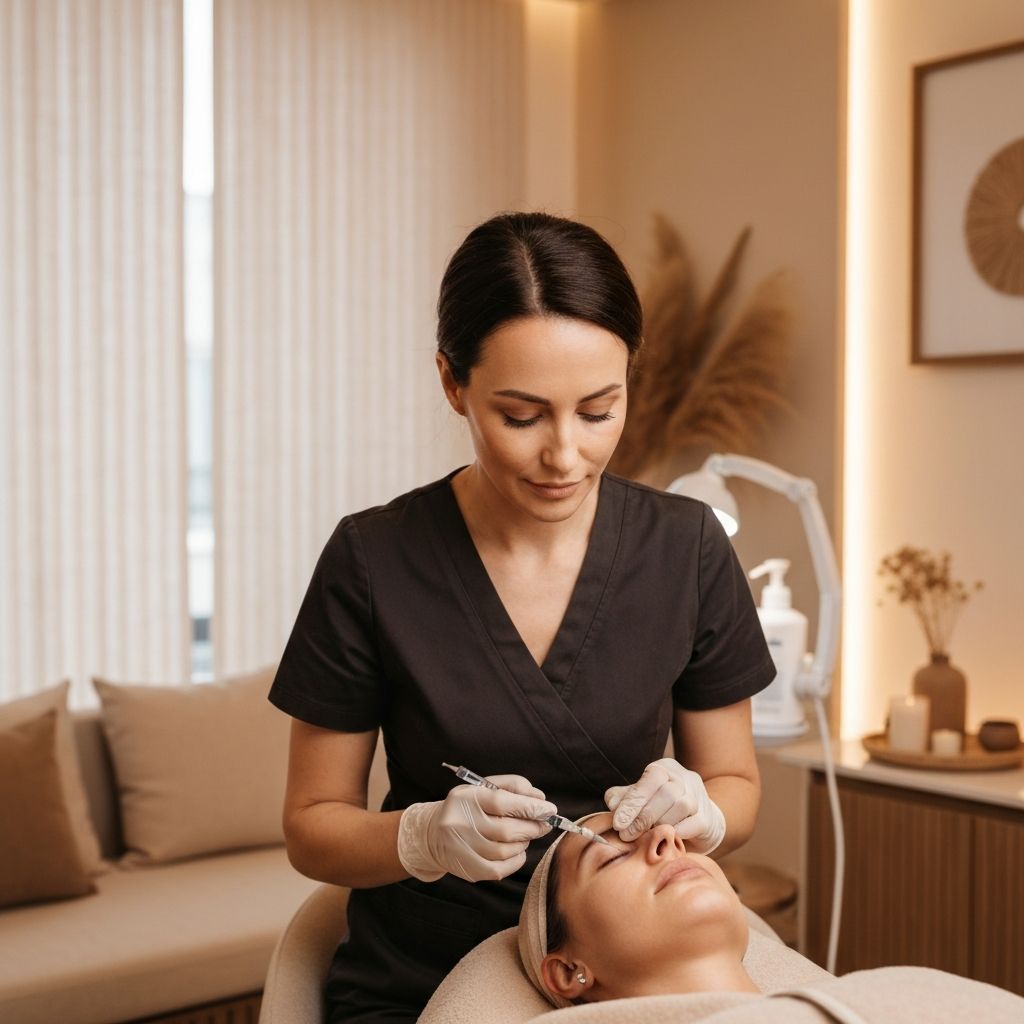
Important scope note: This is an awareness-level overview for a general audience. It is NOT a management protocol, dosing guide or instruction for handling emergencies. Vascular occlusion is a medical emergency that must be prevented and managed by properly trained, authorized professionals. The purpose here is to explain why serious, supervised filler safety training is non-negotiable.
What vascular occlusion is
Vascular occlusion happens when filler blocks or compresses a blood vessel, interrupting blood supply to tissue. It is one of the most serious complications in dermal filler treatment. Depending on the vessel involved, consequences can range from skin damage to, in rare cases involving certain vessels, very serious outcomes. This is precisely why filler is restricted to authorized professionals and why anatomy knowledge is central to safe practice.
Why it underscores the need for training
You can't safely inject filler by watching a video. Preventing vascular complications depends on deep knowledge of facial vascular anatomy, careful technique, recognising warning signs early, and knowing how to respond — all learned under qualified supervision. It's the clearest reason that injecting is a controlled act limited to authorized practitioners.
The pillars of prevention (concept only)
• Thorough knowledge of facial anatomy and high-risk regions. • Careful assessment, technique and product selection. • Vigilant monitoring for early warning signs during and after treatment. • A prepared plan and the training/authorization to act — handled by qualified professionals. Each of these is taught and practised in proper training; none can be shortcut. We deliberately don't provide management steps here — that knowledge belongs in supervised clinical education.
What this means for choosing a course
When evaluating filler training, prioritise programs that take safety seriously: real anatomy teaching, danger-zone education, complication awareness and supervised hands-on practice — not just 'how to inject.' Small classes help because you get individual feedback on safe technique. See why class size matters.
Train where safety comes first
What to look for in truly safety-focused filler training
Because prevention and early recognition are everything with vascular complications, the quality of safety teaching should be a top criterion when choosing filler training — not an afterthought. Look for programs that devote real time to facial vascular anatomy and high-risk regions, that teach careful technique and warning-sign recognition, and that emphasise preparedness handled by qualified professionals. Small classes matter here because individualised feedback on safe technique is what actually reduces risk. • Substantial, explicit teaching on vascular anatomy and danger zones. • Emphasis on prevention, careful technique and recognising warning signs. • A serious, supervised approach to preparedness — handled by qualified professionals. • Small classes with individual feedback on your technique. Treat any course that races to 'how to inject' while skimming safety as a red flag. This article deliberately stays at an awareness level and does not provide management steps, because that knowledge belongs in supervised clinical education — which is precisely the point: filler safety cannot be self-taught, and it's the strongest reason the procedure is restricted to authorized, well-trained professionals. Ziba's Botox & Filler course (open to medical professionals) covers facial anatomy, danger zones, contraindications and consultation with supervised, small-class hands-on practice. Filler safety isn't a module to skim — it's the foundation of responsible practice. This article requires qualified clinical review before publication.
Ziba Aesthetics Training Institute
Ziba Aesthetics Training Institute is located at 7191 Yonge St, Unit 701, Markham, ON, serving the Greater Toronto Area. To learn more about the Botox & Filler program or discuss your goals, book a consultation or start your application with our admissions team.
Frequently Asked Questions
More Mezogel Booster Articles
Continue learning about Mezogel Booster treatments and training
- Mezogel Booster Treatment in Toronto: Complete Guide
8 min read
- Mezogel Booster Training and Certification in Ontario
7 min read
- Mezogel vs Profhilo: Comparing Skin Booster Treatments
9 min read
- 10 Benefits of Mezogel Booster for Skin Rejuvenation
10 min read
- How to Perform Mezogel Booster: Injection Techniques Guide
11 min read
- Mezogel Booster Side Effects and Safety: Complete Guide
10 min read
More Laser Training Articles
Continue learning about laser training, certification, and aesthetic careers
- Laser Technician Certification in Ontario: Requirements and Training
9 min read
- Advanced Laser Training for Experienced Technicians
7 min read
- Laser Training in Thornhill: Complete Certification Guide
12 min read
- Laser Hair Removal Training in Thornhill: Get Certified
11 min read
- Laser Skin Rejuvenation Training in Thornhill
11 min read
- Best Laser Training Center in Thornhill and Toronto
11 min read
Related Programs
External Resources
- Regulated Health Professions Act, 1991 (RHPA), s.27 controlled acts — Ontario e-Laws
Establishes that 'administering a substance by injection or inhalation' is a controlled act. Canonical e-Laws page (content is JavaScript-rendered; corroborated by multiple regulator summaries). Source: https://www.ontario.ca/laws/statute/91r18
- Scope of Practice — practice standard, College of Nurses of Ontario
CNO practice standard on controlled acts, orders and authorizing mechanisms for nurses. Verified. Source: https://cno.org/Assets/CNO/Documents/Standard-and-Learning/Practice-Standards/49041-scope-of-practice.pdf