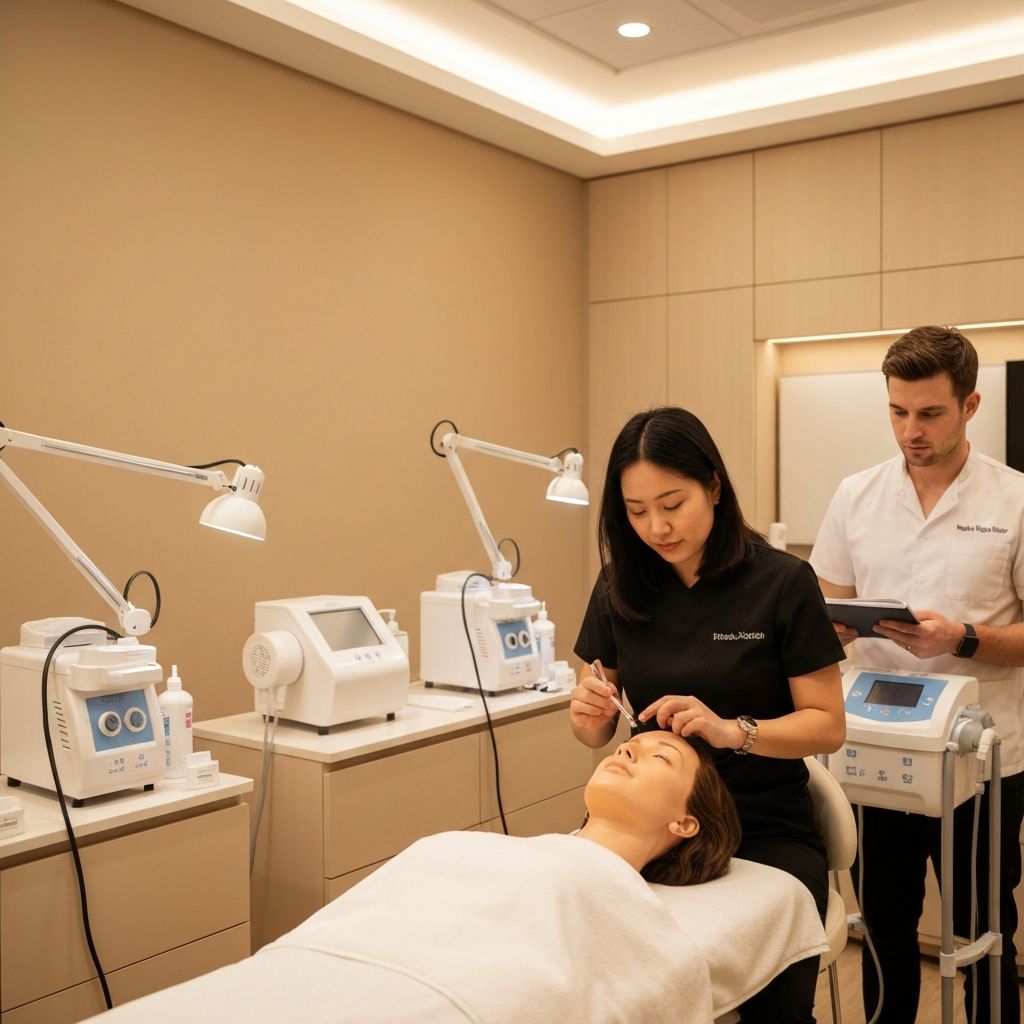
Tattoo Removal Aftercare Guide for Ontario Patients and Practitioners
Proper aftercare after each laser tattoo removal session is critical for healing, minimizing side effects, and achieving the fastest ink clearance. This guide covers everything patients and practitioners need to know.
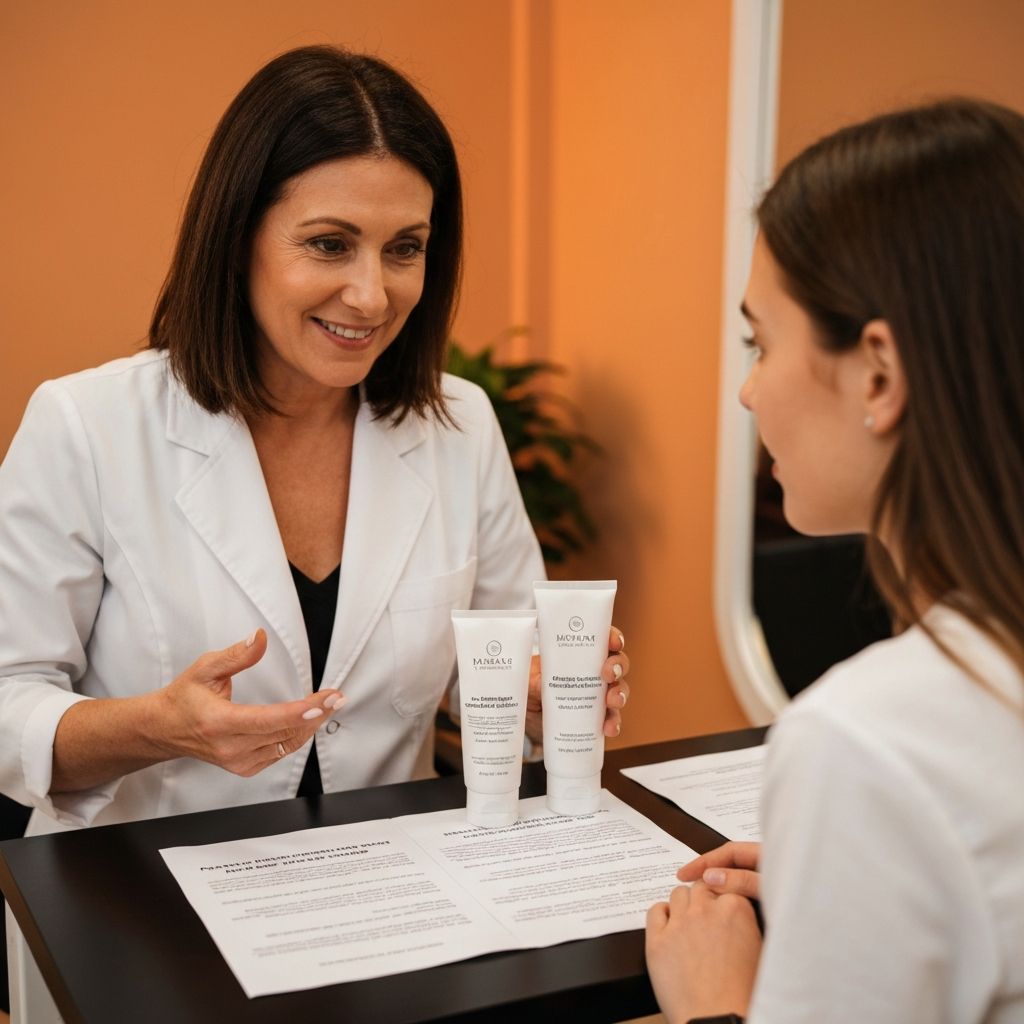
The success of a laser tattoo removal treatment series is not determined solely by the quality of the laser session itself—it is equally shaped by the aftercare practices that follow each treatment. Poor aftercare can lead to infection, prolonged healing, pigmentation changes, and suboptimal ink clearance, undermining the results of even an excellent laser treatment. Practitioners who provide clear, detailed aftercare instructions empower their patients to be active participants in the treatment process and significantly reduce complication rates. This guide provides a complete aftercare protocol for laser tattoo removal patients in Ontario, covering the immediate post-treatment period, the healing phase, and the ongoing care required between sessions.
Immediate Post-Treatment Care: The First 24 Hours
The first 24 hours after a laser tattoo removal session are the most critical for preventing infection and minimizing inflammation. The treated area will typically appear red, swollen, and may feel warm—similar in sensation to a sunburn. Some patients experience immediate frosting (a whitish appearance caused by gas release from the laser-tissue interaction), which resolves within minutes.
Cooling and Soothing the Treated Area
Apply a cold compress or ice pack wrapped in a clean cloth to the treated area for 15–20 minutes at a time during the first few hours to reduce swelling and discomfort. Avoid applying ice directly to the skin, and do not use any skin care products other than those specifically recommended by your practitioner on the day of treatment.
Wound Dressing and Protection
If blistering develops—which is a normal tissue response to the laser energy and not a sign of a problem—keep blisters intact as they provide natural protection for the healing skin beneath. Cover the treated area with a sterile non-adherent dressing if clothing or activity will cause friction. Do not puncture blisters intentionally, as this increases infection risk.
The Healing Phase: Days 2–14
The first two weeks after treatment involve active tissue repair. The laser-disrupted area goes through stages of redness, swelling, blistering (in some cases), crusting, and peeling. Allowing each stage to progress naturally without interference is the cornerstone of appropriate aftercare. Many patients make the mistake of picking or scrubbing the treated area, which can lead to scarring and pigmentation changes.
Moisturizing and Skin Protection
Once any open blistering has resolved and the skin surface is intact, apply a thin layer of petroleum jelly or a practitioner-recommended healing ointment to keep the area moisturized and prevent cracking. Avoid fragranced lotions, retinols, acids, or any active skin care ingredients in the treated area until fully healed, typically 10–14 days.
Sun Protection Throughout Treatment
UV exposure to a healing tattoo removal site can cause post-inflammatory hyperpigmentation (PIH)—a significant darkening of the treated area that can delay further treatment and is difficult to reverse. Apply SPF 30+ broad-spectrum sunscreen to the healed area every day and avoid deliberate sun tanning or tanning bed use throughout the entire treatment series.
What to Avoid After Laser Tattoo Removal
Several common activities and habits can significantly interfere with healing and ink clearance after laser tattoo removal. Practitioners should provide a clear 'avoid' list alongside positive aftercare instructions to ensure patients understand both what to do and what not to do during the recovery period.
Activities to Avoid in the First Week
Avoid swimming, hot tubs, saunas, and steam rooms for at least two weeks after treatment, as these environments introduce bacteria to the healing skin and can cause infection or delayed healing. Avoid vigorous exercise for 24–48 hours as elevated body temperature and sweating can increase inflammation. Shaving over the treated area should wait until the skin is fully healed.
Picking, Scratching, and Aggressive Cleansing
The impulse to pick at crusts or blisters is almost universal but must be resisted. Removing scabs before they fall naturally disrupts the healing tissue beneath and increases the risk of scarring and hypopigmentation. Cleanse the area gently with mild soap and cool water only—avoid washcloths, loofahs, or scrubbing motions until fully healed.
Supporting Optimal Ink Clearance Between Sessions
Because tattoo ink clearance is accomplished by the immune system between sessions, supporting immune function and circulation during the weeks between treatments can meaningfully improve outcomes. Practitioners can significantly help their patients by discussing lifestyle factors that enhance or impair ink clearance as part of a comprehensive aftercare conversation.
The Smoking and Clearance Connection
Smoking is the single most impactful modifiable lifestyle factor in tattoo removal outcomes. Research has demonstrated that smokers require significantly more sessions to achieve equivalent ink clearance compared to non-smokers, likely due to impaired macrophage function, reduced peripheral circulation, and compromised lymphatic transport. Practitioners should inform patients of this relationship and encourage cessation as part of the treatment plan.
Hydration, Exercise, and Lymphatic Support
Adequate hydration supports skin healing and lymphatic function, both of which are important for ink clearance. Moderate cardiovascular exercise between sessions promotes lymphatic circulation. Some practitioners recommend lymphatic drainage massage—performed by a qualified therapist—as an adjunct to support clearance, particularly for patients with slow response to treatment.
Ziba Aesthetics Training Institute
Ziba Aesthetics Training Institute at 7191 Yonge St Unit 701, Markham, ON trains qualified medical professionals in complete laser tattoo removal protocols including aftercare education. Call (416) 318-7447 or visit aesthetictraining.ca.
Frequently Asked Questions
More Mezogel Booster Articles
Continue learning about Mezogel Booster treatments and training
- Mezogel Booster Treatment in Toronto: Complete Guide
8 min read
- Mezogel Booster Training and Certification in Ontario
7 min read
- Mezogel vs Profhilo: Comparing Skin Booster Treatments
9 min read
- 10 Benefits of Mezogel Booster for Skin Rejuvenation
10 min read
- How to Perform Mezogel Booster: Injection Techniques Guide
11 min read
- Mezogel Booster Side Effects and Safety: Complete Guide
10 min read
More Laser Training Articles
Continue learning about laser training, certification, and aesthetic careers
- Laser Technician Certification in Ontario: Requirements and Training
9 min read
- Advanced Laser Training for Experienced Technicians
7 min read
- Laser Training in Thornhill: Complete Certification Guide
12 min read
- Laser Hair Removal Training in Thornhill: Get Certified
11 min read
- Laser Skin Rejuvenation Training in Thornhill
11 min read
- Best Laser Training Center in Thornhill and Toronto
11 min read
Related Programs
External Resources
- Canadian Dermatology Association – Laser Treatment Guidelines
CDA guidelines for laser procedures including post-treatment care standards and infection prevention protocols.
- Journal of Clinical and Aesthetic Dermatology – Tattoo Removal Aftercare Review
Evidence-based review of aftercare practices and their impact on healing outcomes and complication rates in laser tattoo removal.