Small Class Aesthetic Training in Toronto: Why It Matters
Small class sizes in aesthetic training are not just a marketing claim—they are a measurable predictor of clinical competency. This guide explains why limited-cohort training at Ziba Aesthetics produces superior injectors.
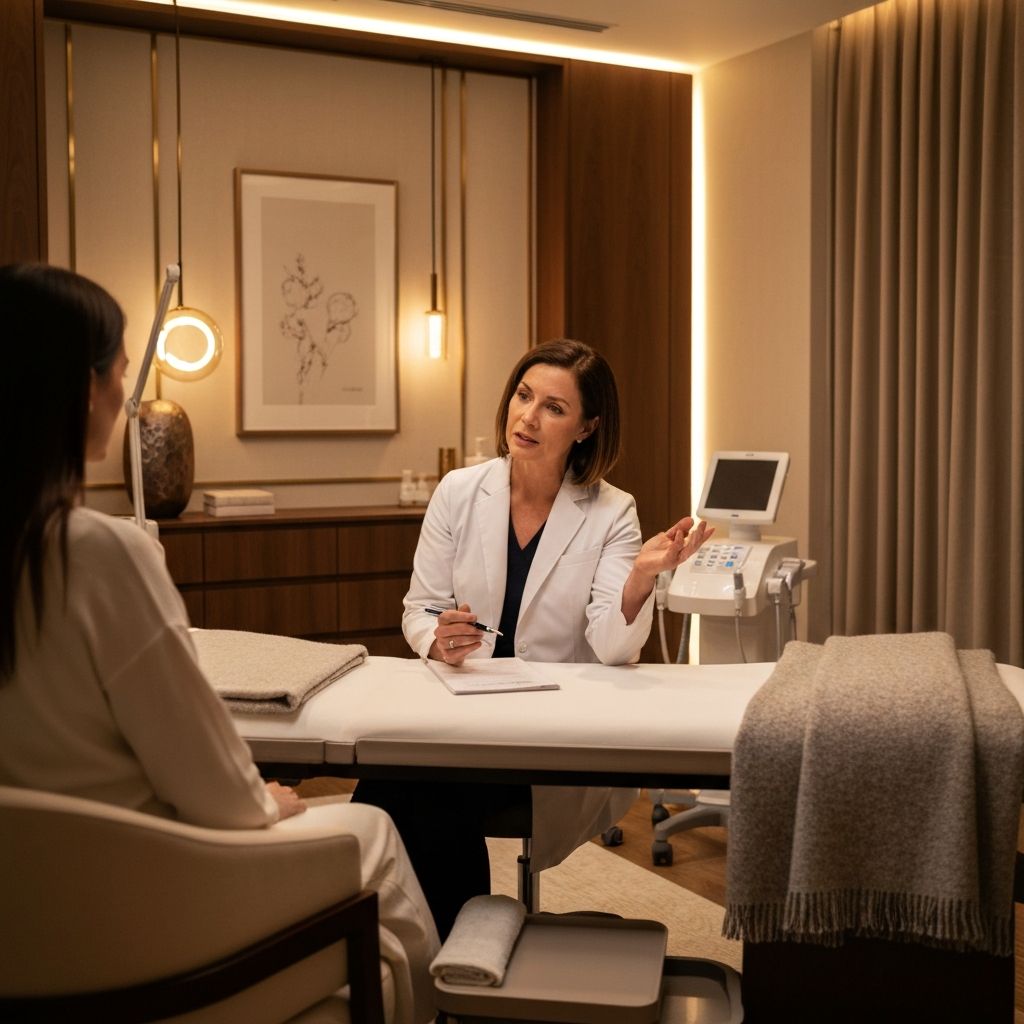
When choosing an aesthetic training program, prospective students frequently focus on curriculum content, instructor credentials, and price. What often gets overlooked is class size—yet it may be the single most important structural factor in determining how much hands-on practice each student receives and how well they retain clinical skills. Ziba Aesthetics Training Institute deliberately limits enrollment in every course to maintain small cohorts that allow for meaningful instructor interaction, adequate live model time, and individualized feedback on technique. This article explores why small class aesthetic training produces demonstrably better practitioners and why it should be a non-negotiable criterion in your program selection process.
The Problem with Large Aesthetic Training Classes
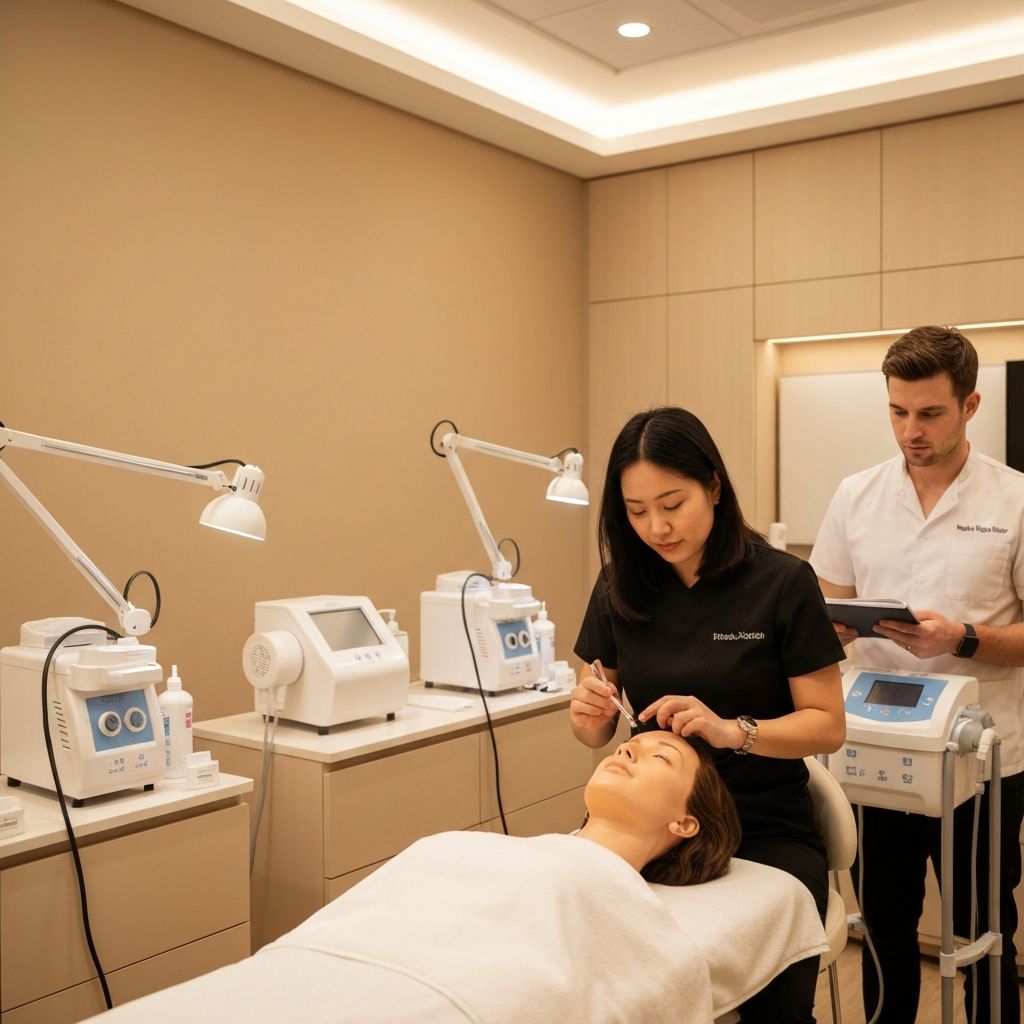
Large-cohort aesthetic courses are common in the industry because they are more profitable per delivery. However, when 15, 20, or 30 students share a single instructor and limited live model time, each individual receives a fraction of the hands-on practice required for genuine competency. Students in oversized classes often watch rather than do, and watching is a fundamentally inferior learning mode for the development of fine motor injection skills.
Insufficient Live Model Time
Aesthetic injection skill is built through repetition on live tissue—there is no equivalent substitute. In a 20-person class with four live models, each student might complete fewer than two injection sites per treatment area. This is insufficient practice to develop the muscle memory and tissue-feel that distinguishes a confident injector from a hesitant one.
Limited Instructor Feedback
In large classes, instructors cannot observe every injection in real time, which means technique errors go uncorrected and become ingrained habits. Personalized feedback on grip, angle, speed of injection, aspiration technique, and patient positioning is only possible when the ratio of students to instructors is genuinely small.
How Small Cohorts Improve Learning Outcomes
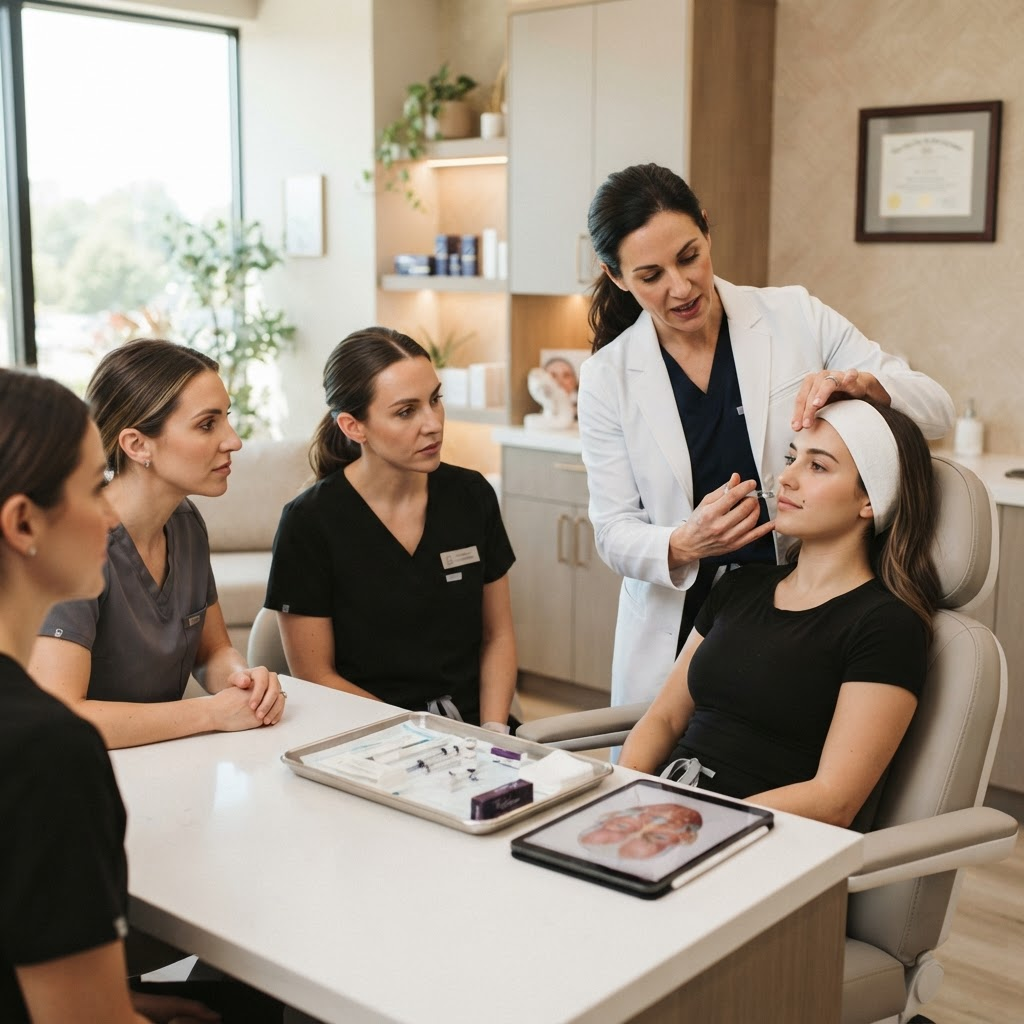
Small class sizes create the conditions for deep, experiential learning. When an instructor can observe every student's technique in real time, correct errors immediately, ask probing questions, and adapt the teaching pace to the group's actual understanding, students achieve substantially higher competency with substantially less anxiety. This is particularly important in aesthetic medicine, where technical errors can cause patient harm.
More Practice Time Per Student
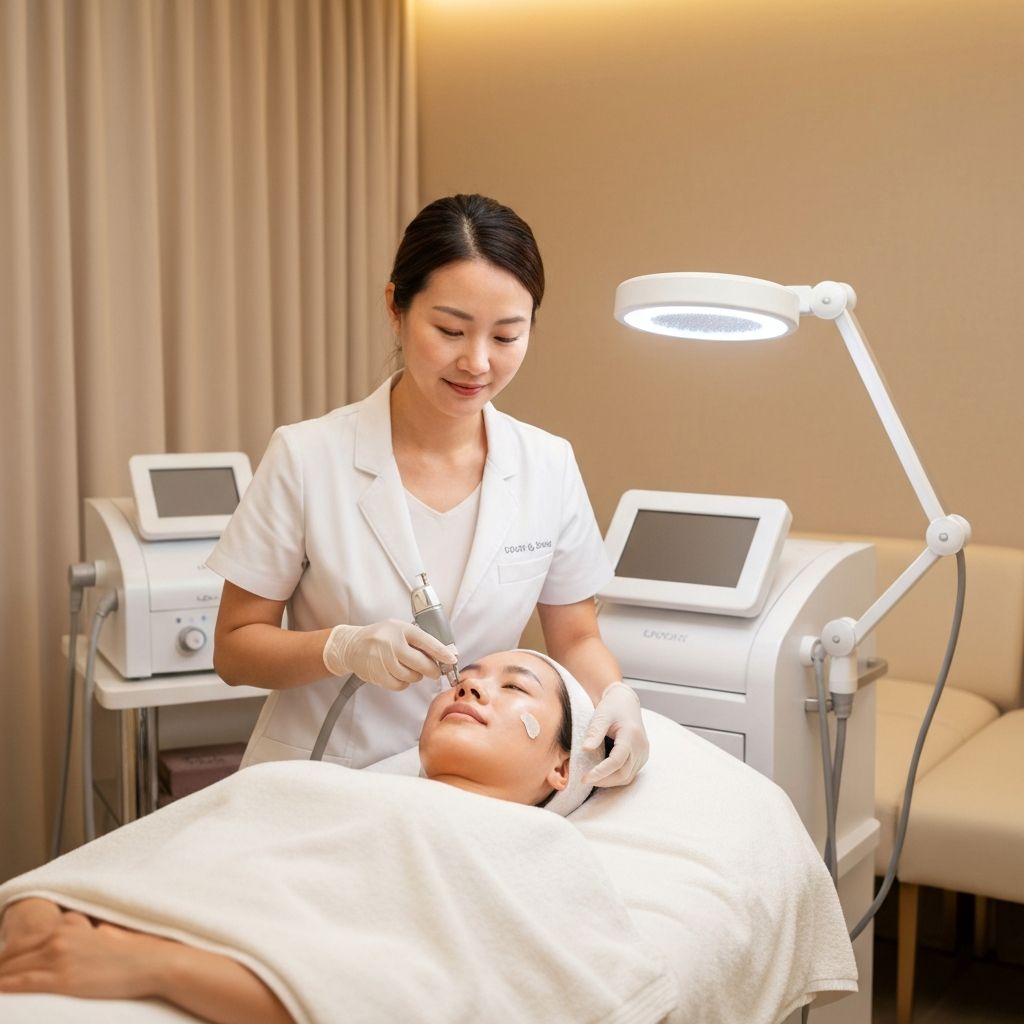
In a Ziba Aesthetics small-cohort course, each student receives significantly more hands-on injection time than they would in a larger program. This increased repetition builds the tactile confidence and technical consistency that enables graduates to treat their first independent clients with genuine assurance rather than uncertain hesitation.
Collaborative Learning in a Supportive Environment
Small groups also create better peer learning dynamics. Students can ask questions without embarrassment, share observations about patient responses, and discuss clinical decision-making in an intimate environment. This collegial atmosphere is particularly valued by medical professionals transitioning into aesthetics from clinical backgrounds where group learning is the norm.
What to Look for When Evaluating Class Sizes
When researching aesthetic training programs, ask specific questions about class size rather than accepting vague assurances about 'personalized instruction.' Maximum enrollment per session, student-to-instructor ratio, and number of live models per student are concrete metrics that reveal the actual learning environment you will enter.
Questions to Ask Before Enrolling
Ask the program: How many students are in each session? How many live models are provided? What is the ratio of instructors to students? Will I personally perform injections or primarily observe? The answers to these questions will help you differentiate between programs that truly prioritize hands-on learning and those that optimize for throughput.
Red Flags in Training Program Marketing
Be cautious of programs that heavily emphasize the quantity of treatments observed rather than the number each student independently performs. Similarly, programs that charge very low fees but accommodate large groups almost certainly trade off per-student practice time to achieve that price point. In aesthetic training, price and quality tend to be correlated for good reason.
Ziba Aesthetics Training Institute's Approach to Class Size
Ziba Aesthetics Training Institute maintains strict enrollment limits across all courses to ensure that every student receives the live model time, instructor attention, and individualized feedback that distinguishes truly excellent aesthetic training. Our instructors are active clinicians, not retired practitioners, and they bring current real-world technique to every session.
Our Instructor-to-Student Commitment
At Ziba, we cap enrollment at a level that allows our instructors to observe, correct, and guide every student's injections in real time. This is not a marketing claim—it is a structural policy that we maintain even when demand would allow us to fill larger classes and increase revenue.
Post-Course Support as an Extension of the Small-Class Ethos
The individualized attention that defines our training environment does not end at graduation. Ziba graduates have access to post-course support including protocol resources, clinical Q&A, and mentorship connections that extend the small-class learning relationship beyond the training day itself.
Ziba Aesthetics Training Institute
Ziba Aesthetics Training Institute is located at 7191 Yonge St Unit 701, Markham, ON. Experience the difference that small class sizes make in aesthetic training. Call (416) 318-7447 or visit aesthetictraining.ca.
Frequently Asked Questions
More Mezogel Booster Articles
Continue learning about Mezogel Booster treatments and training
- Mezogel Booster Treatment in Toronto: Complete Guide
8 min read
- Mezogel Booster Training and Certification in Ontario
7 min read
- Mezogel vs Profhilo: Comparing Skin Booster Treatments
9 min read
- 10 Benefits of Mezogel Booster for Skin Rejuvenation
10 min read
- How to Perform Mezogel Booster: Injection Techniques Guide
11 min read
- Mezogel Booster Side Effects and Safety: Complete Guide
10 min read
More Laser Training Articles
Continue learning about laser training, certification, and aesthetic careers
- Laser Technician Certification in Ontario: Requirements and Training
9 min read
- Advanced Laser Training for Experienced Technicians
7 min read
- Laser Training in Thornhill: Complete Certification Guide
12 min read
- Laser Hair Removal Training in Thornhill: Get Certified
11 min read
- Laser Skin Rejuvenation Training in Thornhill
11 min read
- Best Laser Training Center in Thornhill and Toronto
11 min read
Related Programs
External Resources
- Aesthetic Complications Research – Training Quality and Safety
Research examining the relationship between hands-on training quality, class size, and adverse event rates in aesthetic medicine.
- Medical Education Journal – Simulation vs Live Practice
Studies comparing the learning outcomes of simulation-based versus live-patient clinical skills training in procedural medicine.