Post-Course Support in Aesthetic Training: Why It Matters
The quality of an aesthetic training program should be measured not just by what happens in the classroom but by what support is available after graduation. This guide explains why post-course support is a non-negotiable feature of excellent aesthetic education.
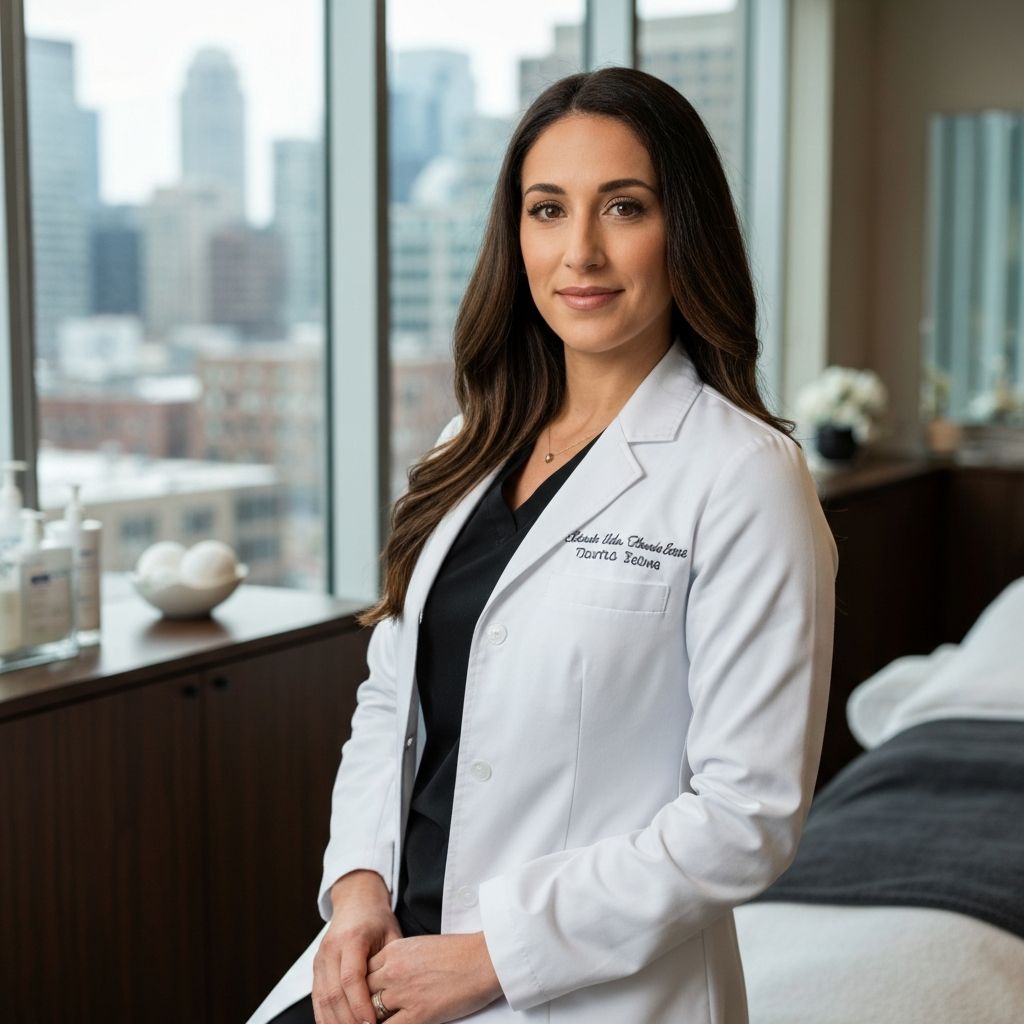
In any practical clinical skill, graduation from a training program marks not the end of the learning journey but the beginning of its most challenging phase: independent practice. The transition from supervised training to treating real patients without immediate instructor guidance is where the most consequential learning and the most consequential errors occur. Post-course support—access to clinical resources, mentorship, and guidance from experienced practitioners after training is complete—significantly reduces complication risk, accelerates clinical confidence, and helps new aesthetic practitioners navigate the inevitable questions and challenges that arise in their first weeks and months of independent practice. At Ziba Aesthetics Training Institute, post-course support is not an afterthought; it is a core component of what we offer and what differentiates us from training programs that end at the classroom door.
Why Post-Course Support Is Critical for New Aesthetic Practitioners
No training program—however thorough—can fully prepare a practitioner for every clinical scenario they will encounter in independent practice. Patients present with unexpected anatomy, unusual responses, and complex combinations of concerns. Questions arise that were not anticipated during training, and access to an experienced clinical perspective in those moments can make the difference between an excellent patient outcome and a manageable adverse event.
The Knowledge-Practice Gap
The knowledge-practice gap is the well-documented phenomenon where competency demonstrated in supervised training does not immediately transfer to full competency in unsupervised practice. New practitioners often encounter a period of uncertainty and self-questioning as they take on responsibility for clinical decisions without the safety net of a supervising instructor. Post-course support bridges this gap by providing a point of contact for exactly these moments of uncertainty.
Complication Management in the Early Practice Period
The early practice period is statistically when new practitioners are at highest risk of encountering complications they are uncertain how to manage. Having access to an experienced mentor or clinical resource during this period—a person who can be contacted when a patient presents with unusual swelling, unexpected bruising, or a result that doesn't look quite right—is invaluable for both practitioner confidence and patient safety.
Types of Post-Course Support Available at Ziba Aesthetics
Ziba Aesthetics Training Institute offers several forms of post-course support to help graduates transition successfully from training to independent practice. These resources are available to all graduates and are specifically designed to address the most common challenges encountered in the early months of aesthetic practice.
Access to Protocol Resources and Clinical References
Graduates receive ongoing access to clinical protocol resources, injection mapping references, aftercare instruction templates, and consent documentation frameworks that support consistent, high-standard practice. These materials serve as reliable references when questions arise about dosing, technique, or patient management and reduce the risk of practitioners deviating from evidence-based protocols under the pressure of real clinical situations.
Clinical Q&A and Mentorship Access
Ziba graduates can reach out to our faculty with specific clinical questions arising from their practice. This access is not unlimited technical consulting, but it does provide a trusted resource for genuine clinical questions where the answer could meaningfully affect patient safety or outcome. The ability to ask a question of an experienced practitioner rather than searching uncertain online sources is a meaningful safety and quality resource.
Building a Professional Support Network After Training
Post-course support from a training institution is one important resource, but the most durable professional support comes from a broader network of peers and senior practitioners built over time. Ziba Aesthetics actively encourages graduates to connect with the broader alumni community and to seek ongoing mentorship relationships beyond the formal training relationship.
Peer Learning Among Aesthetic Practitioners
Peer relationships among practitioners at similar stages of their aesthetic careers are among the most valuable resources for ongoing development. Sharing clinical observations, discussing challenging cases, and reviewing each other's technique through observation or video are practices that accelerate skill development and clinical judgment in ways that solo practice alone cannot achieve.
Continuing Education as a Practice Standard
The most successful long-term aesthetic practitioners commit to regular continuing education throughout their careers, regularly attending conferences, workshops, and advanced training as new techniques, products, and evidence emerge. Viewing training as a one-time event is the most common mistake new practitioners make. Viewing it as the beginning of a career-long learning commitment is the mindset that produces excellence over time.
How to Evaluate Post-Course Support When Choosing a Training Program
Prospective students should ask specific, concrete questions about post-course support when evaluating aesthetic training programs, rather than accepting general assurances about 'ongoing resources.' The answers to these questions will reveal whether a program's post-course support is substantive or merely marketing language.
Questions to Ask About Post-Course Support
Ask the training provider: What specific resources are available after training? Can graduates contact instructors with clinical questions—and if so, through what channel and with what response time expectation? Is there an alumni community or network? Are refresher training or advanced modules available to graduates? What happens if a graduate has a complication or clinical concern—who do they contact? The answers reveal the depth of commitment to graduate success.
Red Flags in Post-Course Support Claims
Vague promises of 'ongoing support' without specifics, the absence of any named contact person for post-training questions, training programs that operate as one-time transactions with no ongoing relationship, and programs that do not offer any refresher or advanced training options are all indicators that post-course support is not a genuine institutional priority. These factors should weigh meaningfully in program selection.
Ziba Aesthetics Training Institute
Ziba Aesthetics Training Institute at 7191 Yonge St Unit 701, Markham, ON supports graduates throughout their aesthetic careers with ongoing resources, clinical guidance, and professional community access. Call (416) 318-7447 or visit aesthetictraining.ca.
Frequently Asked Questions
More Mezogel Booster Articles
Continue learning about Mezogel Booster treatments and training
- Mezogel Booster Treatment in Toronto: Complete Guide
8 min read
- Mezogel Booster Training and Certification in Ontario
7 min read
- Mezogel vs Profhilo: Comparing Skin Booster Treatments
9 min read
- 10 Benefits of Mezogel Booster for Skin Rejuvenation
10 min read
- How to Perform Mezogel Booster: Injection Techniques Guide
11 min read
- Mezogel Booster Side Effects and Safety: Complete Guide
10 min read
More Laser Training Articles
Continue learning about laser training, certification, and aesthetic careers
- Laser Technician Certification in Ontario: Requirements and Training
9 min read
- Advanced Laser Training for Experienced Technicians
7 min read
- Laser Training in Thornhill: Complete Certification Guide
12 min read
- Laser Hair Removal Training in Thornhill: Get Certified
11 min read
- Laser Skin Rejuvenation Training in Thornhill
11 min read
- Best Laser Training Center in Thornhill and Toronto
11 min read
Related Programs
External Resources
- College of Nurses of Ontario – Continuing Competence Program
CNO information on the continuing competence requirements for RNs in Ontario, relevant to nurses practicing in aesthetic settings.
- Aesthetic Medicine Continuing Education – Advanced Training Resources
Resources for aesthetic practitioners seeking continuing education in advanced techniques and emerging treatment modalities.