Infection Prevention and Control (IPAC) Basics for Ontario Aesthetic Clinics
Public health inspects aesthetic clinics for infection control. Here are the IPAC basics every Ontario practitioner should know to stay safe and compliant.
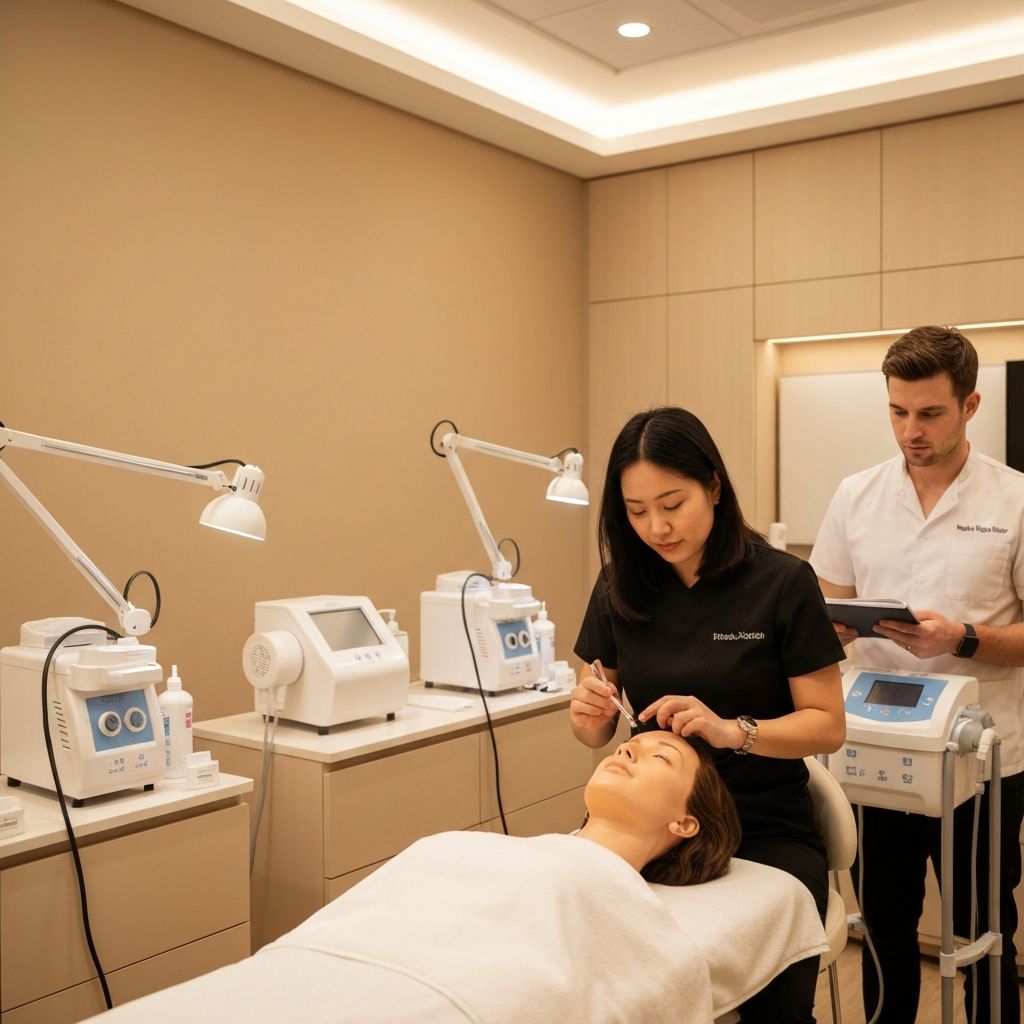
Why this matters: Any setting where you break or closely work on skin must control infection risk. In Ontario, aesthetic services delivered in personal service settings are inspected by local public health units under O. Reg. 136/18. Getting IPAC right protects clients, keeps you compliant, and is often posted publicly after inspection.
The regulation behind inspections
O. Reg. 136/18: Personal Service Settings, made under the Health Protection and Promotion Act, sets infection-control standards for premises offering services like aesthetics, electrolysis, nails, tattooing and micropigmentation. Local public health units inspect against it, and Public Health Ontario provides supporting guidance.
Core IPAC principles
• Hand hygiene before and after every client and procedure. • Single-use items (needles, cartridges, blades) — used once, then discarded. • Cleaning, disinfection or sterilization of reusable equipment to the required level. • Sharps safety and proper waste disposal. • Surface and environment cleaning between clients. • Record-keeping for sterilization and, where required, client information.
Reprocessing: match the method to the risk
Comparison — Critical (contacts broken skin/blood) — Example: Needles, cartridges; Minimum handling: Single-use or sterilized. Semi-critical (contacts mucous membranes/non-intact skin) — Example: Certain tools; Minimum handling: High-level disinfection or sterilization. Non-critical (contacts intact skin) — Example: Beds, surfaces; Minimum handling: Clean/low-level disinfection. This mirrors standard reprocessing principles; confirm the exact requirements for your equipment and services.
What inspectors look for
Expect attention to hand-hygiene facilities, single-use practices, sterilization/disinfection procedures and records, sharps handling, cleanliness, and documentation. Many health units post inspection results publicly, so compliance is also a trust signal to clients.
Build IPAC into your practice from day one
Preparing for a public health inspection
An inspection is far less stressful when your routine practice already meets the standard. Local public health inspectors typically look for reliable hand-hygiene facilities, correct single-use practices, appropriate cleaning/disinfection or sterilization with records, safe sharps handling, and general cleanliness. If those are genuinely part of your daily workflow, an inspection simply confirms what you already do rather than exposing gaps. • Keep hand-hygiene supplies stocked and accessible at all times. • Use single-use items for anything contacting broken skin, every time. • Maintain sterilization/disinfection logs and product records. • Store and dispose of sharps and biohazard waste correctly. Because many health units post inspection results publicly, compliance is also a marketing asset — a clean record signals professionalism to prospective clients. Treat your local public health unit as a resource, not an adversary: they would generally rather help you meet the standard than cite you for missing it. IPAC isn't a one-time setup — it's a daily routine. Comprehensive training programs like Ziba's Aesthetic Diploma and Medical Aesthetician certificate teach these standards as part of professional practice, and treatment courses reinforce them for specific services. When in doubt, contact your local public health unit — they'd rather help you comply than cite you.
Ziba Aesthetics Training Institute
Ziba Aesthetics Training Institute is located at 7191 Yonge St, Unit 701, Markham, ON, serving the Greater Toronto Area. To learn more about the Aesthetic Diploma program or discuss your goals, book a consultation or start your application with our admissions team.
Frequently Asked Questions
More Mezogel Booster Articles
Continue learning about Mezogel Booster treatments and training
- Mezogel Booster Treatment in Toronto: Complete Guide
8 min read
- Mezogel Booster Training and Certification in Ontario
7 min read
- Mezogel vs Profhilo: Comparing Skin Booster Treatments
9 min read
- 10 Benefits of Mezogel Booster for Skin Rejuvenation
10 min read
- How to Perform Mezogel Booster: Injection Techniques Guide
11 min read
- Mezogel Booster Side Effects and Safety: Complete Guide
10 min read
More Laser Training Articles
Continue learning about laser training, certification, and aesthetic careers
- Laser Technician Certification in Ontario: Requirements and Training
9 min read
- Advanced Laser Training for Experienced Technicians
7 min read
- Laser Training in Thornhill: Complete Certification Guide
12 min read
- Laser Hair Removal Training in Thornhill: Get Certified
11 min read
- Laser Skin Rejuvenation Training in Thornhill
11 min read
- Best Laser Training Center in Thornhill and Toronto
11 min read
Related Programs
External Resources
- O. Reg. 136/18: Personal Service Settings (under the Health Protection and Promotion Act) — CanLII
Governs infection-prevention standards for personal service settings (aesthetics, electrolysis, nails, tattooing); enforced by local public health units. Verified. Source: https://www.canlii.org/en/on/laws/regu/o-reg-136-18/latest/o-reg-136-18.html
- Personal Service Settings — Public Health Ontario
Provincial IPAC guidance for personal service settings. Source: https://www.publichealthontario.ca/en/Health-Topics/Infection-Prevention-Control/Personal-Service-Settings