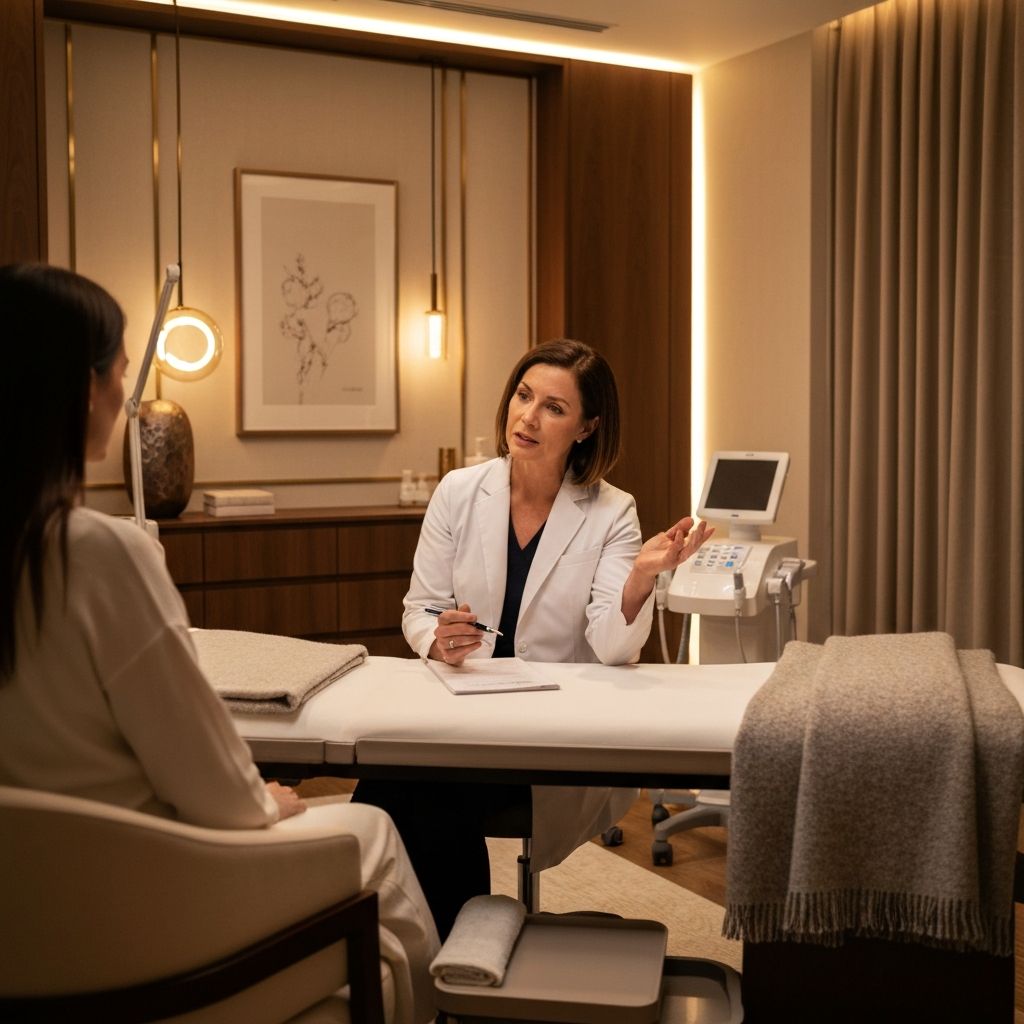
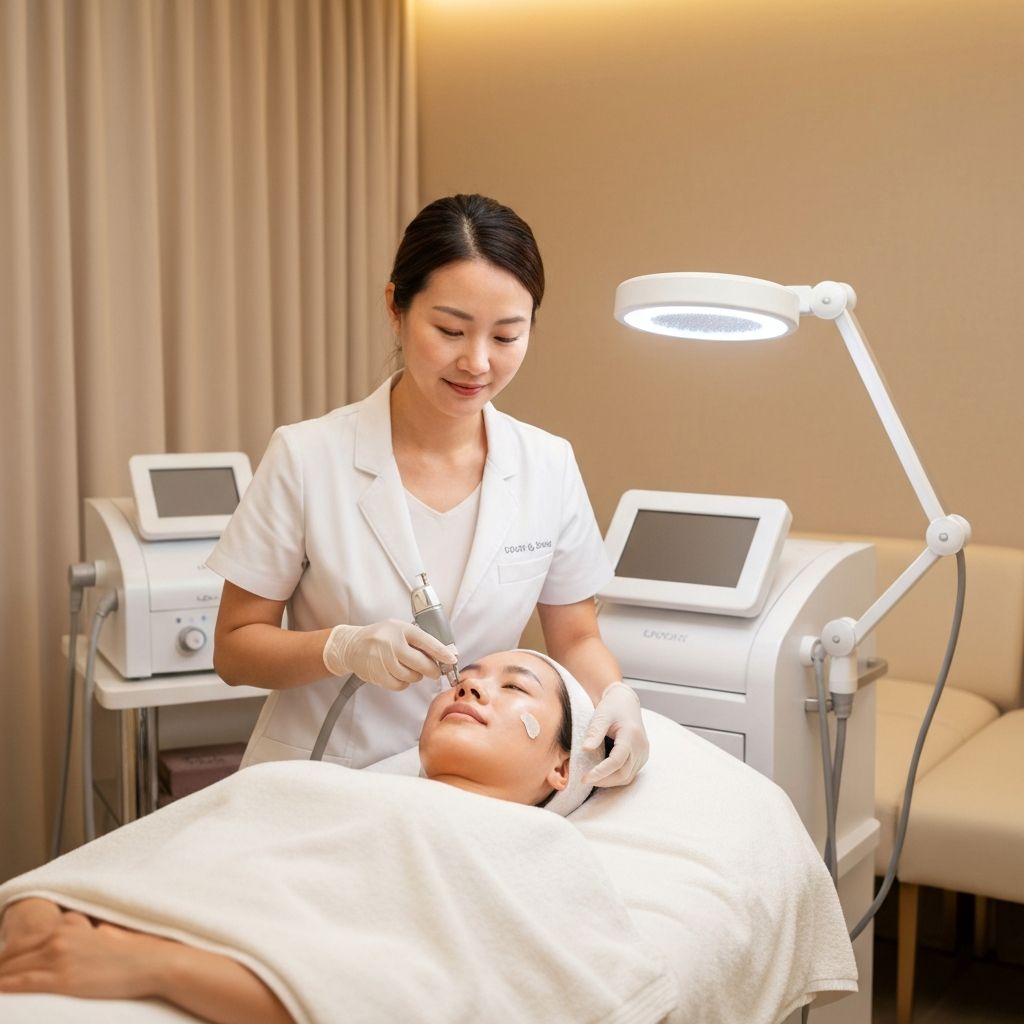
How to Vet an Aesthetic Training School in Ontario
Before you spend thousands on training, learn how to evaluate an Ontario aesthetic school — the questions to ask, the red flags to avoid, and what really matters.
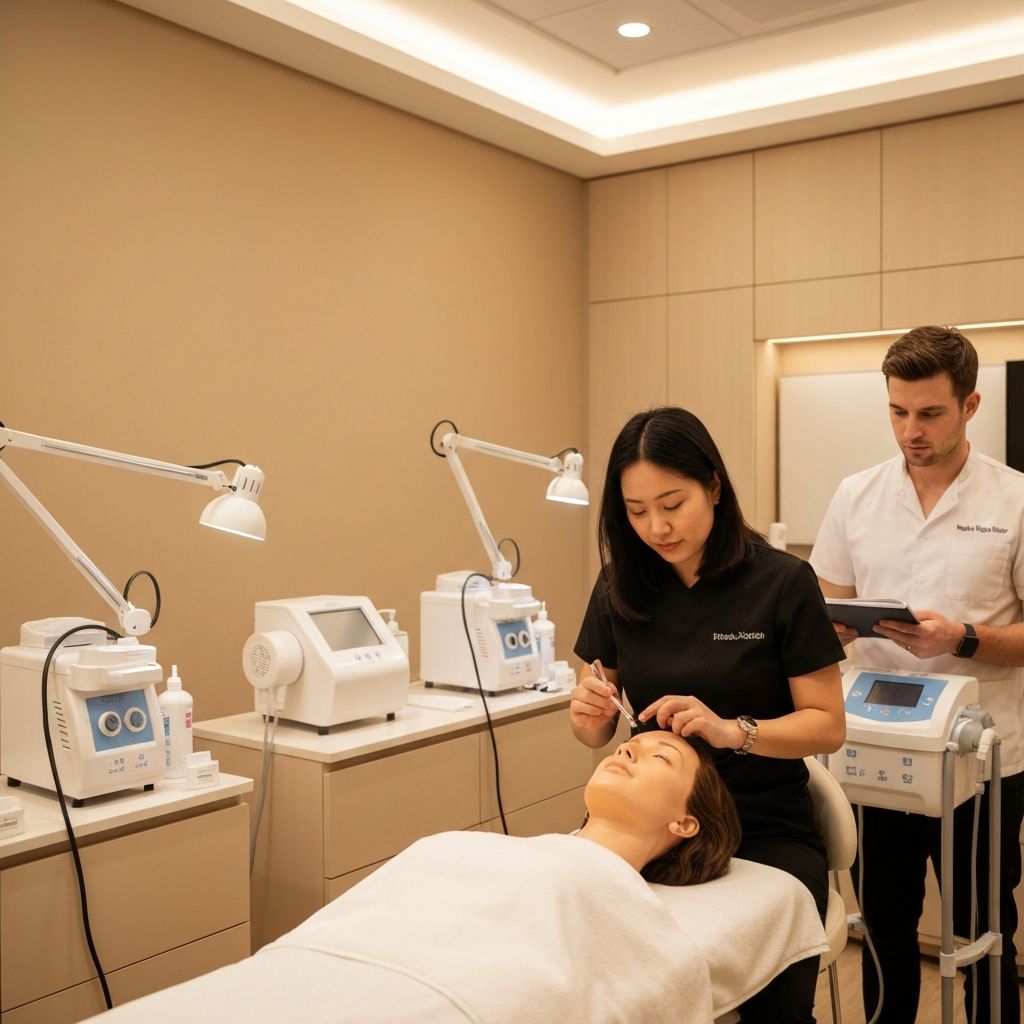
Quick guide: Vet a school on five things — who teaches, how much real hands-on time you get, whether eligibility is honestly stated, what support follows the course, and whether claims about 'recognition' and outcomes are verifiable. Be wary of anyone guaranteeing income, rankings or a scope of practice your credential doesn't grant.
Start with eligibility honesty
A trustworthy school tells you up front what you can legally do with your current credential. If a program implies an esthetician will be able to inject Botox after a weekend course, that is a serious red flag — injecting is a controlled act restricted to authorized professionals. Honest eligibility criteria signal a school that respects the rules.
Look hard at hands-on time
Aesthetics is a psychomotor skill. Ask exactly how many supervised hands-on hours you get, whether you work on live models, the student-to-instructor ratio, and who supervises. Small classes mean more repetitions and feedback. Programs marketed as one-on-one or capped (for example, Ziba caps classes at eight students) give you more practice than large lecture-style cohorts.
Verify who is teaching
Ask about the instructor's qualifications and current practice. You want educators who actually treat clients and understand Ontario's regulatory context. Meet or review the trainer's background before enrolling.
Red flags checklist
• Guarantees of income, job placement, rankings or 'guaranteed' results. • Vague claims of being 'accredited' or 'recognized' with no verifiable body named. • Implying a course changes your legal scope of practice. • No clear hands-on hours, model policy or class-size cap. • Pressure tactics, disappearing discounts, or refusal to answer eligibility questions. • No post-course support or way to ask follow-up questions.
Questions to ask admissions
Comparison — What can I legally do after this course? — What a good answer sounds like: A clear, credential-specific answer, not a blanket 'you'll be certified to practise'. How many hands-on hours and models? — What a good answer sounds like: Specific numbers and a model policy. Who teaches and what's their background? — What a good answer sounds like: A named, currently-practising instructor. What support comes after graduation? — What a good answer sounds like: Concrete follow-up options. What does the certificate actually represent? — What a good answer sounds like: Honest framing: proof of training, not a licence.
Match the school to your goal
Test a school with a single phone call
You can learn most of what you need in one honest conversation with admissions. Ask three questions and listen carefully to how they answer, not just what they say. First: 'With my exact credential, what will I legally be able to do after this course?' A strong school answers precisely and won't overstate your scope. Second: 'How many clients will I personally treat, and are models provided?' You want specifics, not vague reassurance. Third: 'Who teaches, and can I speak with them?' Access to a real, practising instructor is a very good sign. Notice the sales pressure, too. Reputable schools are happy to answer questions and let you decide; high-pressure tactics, vanishing discounts and reluctance to discuss eligibility are red flags. The way a school treats you as a prospect often previews how it will treat you as a student.
Cross-check what you're told
Finally, verify claims independently where you can. If a school names an accrediting body, look it up. If it names an instructor, confirm they practise. If it guarantees outcomes, treat that as a warning rather than a reassurance — no one can honestly guarantee income, placement or results. Finally, choose a program that fits your actual plan. If you want a broad foundation, a comprehensive program like the Aesthetic Diploma may suit you; if you need one skill, a focused certificate such as Microneedling or Laser Technician training may be smarter. Read the courses overview and talk to admissions before committing.
Ziba Aesthetics Training Institute
Ziba Aesthetics Training Institute is located at 7191 Yonge St, Unit 701, Markham, ON, serving the Greater Toronto Area. To learn more about the Aesthetic Diploma program or discuss your goals, book a consultation or start your application with our admissions team.
Frequently Asked Questions
More Mezogel Booster Articles
Continue learning about Mezogel Booster treatments and training
- Mezogel Booster Treatment in Toronto: Complete Guide
8 min read
- Mezogel Booster Training and Certification in Ontario
7 min read
- Mezogel vs Profhilo: Comparing Skin Booster Treatments
9 min read
- 10 Benefits of Mezogel Booster for Skin Rejuvenation
10 min read
- How to Perform Mezogel Booster: Injection Techniques Guide
11 min read
- Mezogel Booster Side Effects and Safety: Complete Guide
10 min read
More Laser Training Articles
Continue learning about laser training, certification, and aesthetic careers
- Laser Technician Certification in Ontario: Requirements and Training
9 min read
- Advanced Laser Training for Experienced Technicians
7 min read
- Laser Training in Thornhill: Complete Certification Guide
12 min read
- Laser Hair Removal Training in Thornhill: Get Certified
11 min read
- Laser Skin Rejuvenation Training in Thornhill
11 min read
- Best Laser Training Center in Thornhill and Toronto
11 min read
Related Programs
External Resources
- Regulated Health Professions Act, 1991 (RHPA), s.27 controlled acts — Ontario e-Laws
Establishes that 'administering a substance by injection or inhalation' is a controlled act. Canonical e-Laws page (content is JavaScript-rendered; corroborated by multiple regulator summaries). Source: https://www.ontario.ca/laws/statute/91r18
- Esthetician in Ontario — Job prospects/outlook, Job Bank Canada
Ontario outlook rated 'Limited' for 2025-2027; ~26,100 employed in the occupation. Verified summary. Source: https://www.jobbank.gc.ca/marketreport/outlook-occupation/14034/ON