How Live-Model Training Works (and How to Find Models)
Practising on real people is how aesthetic skill becomes real. Here's how live-model training works, how consent and safety are handled, and how to find models.
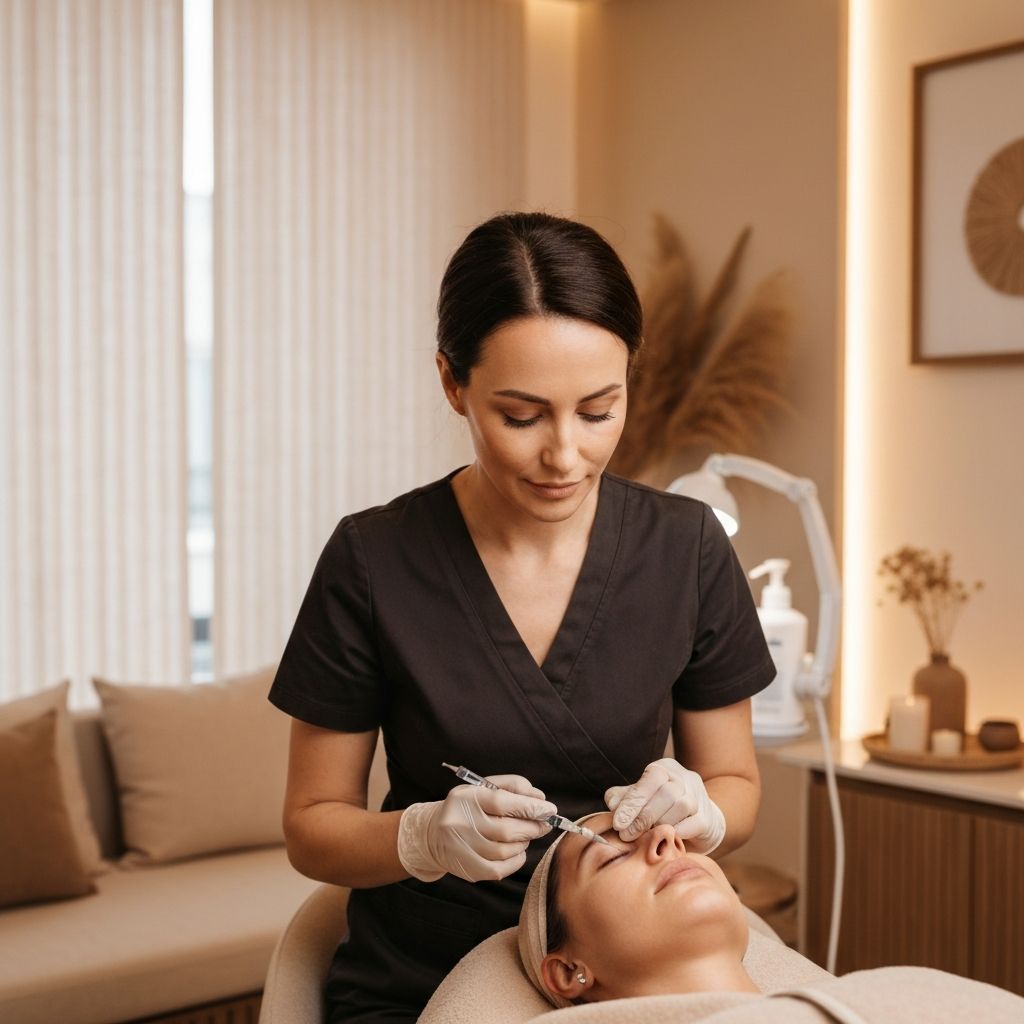
The essentials: Hands-on aesthetic training uses live models because you can't learn tissue feel, angles and real-time response any other way. Reputable courses provide or help arrange models, obtain informed consent, and supervise every treatment. When you later need your own models, prioritise informed volunteers, honesty about your training status, and proper documentation.
Why models matter
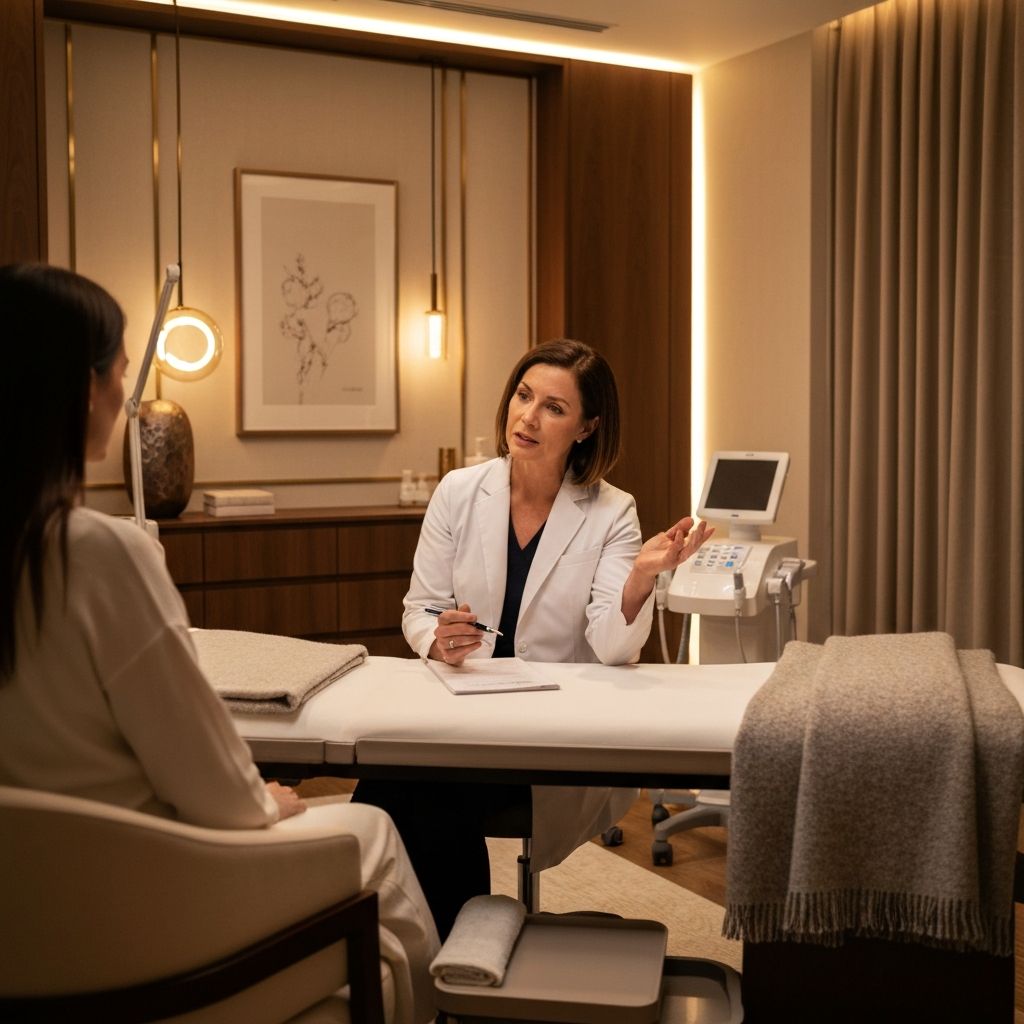
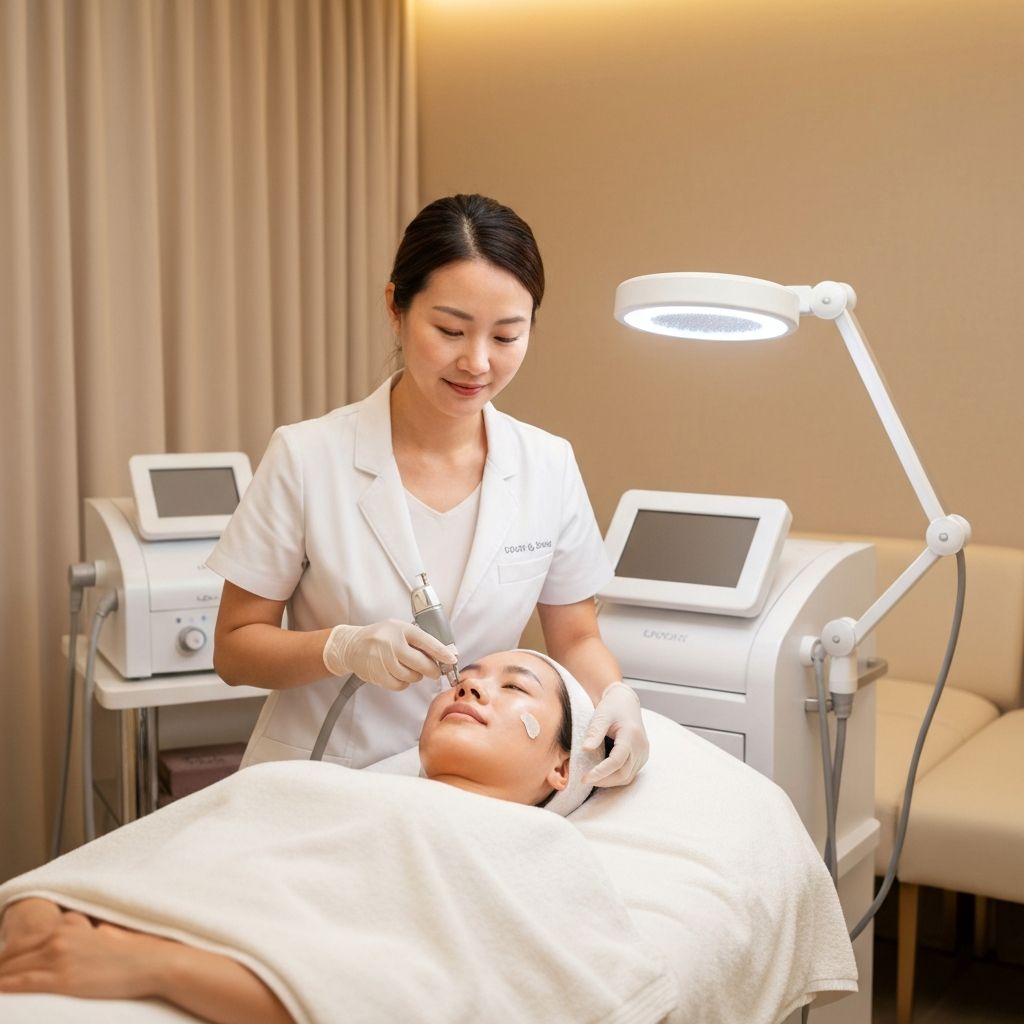
Anatomy models and simulators help, but real skin behaves differently. Working on live models teaches you tissue resistance, individual variation, real-time client communication and how to stay calm and safe when a person is in the chair. It's the bridge between knowing and doing.
How model sessions are run
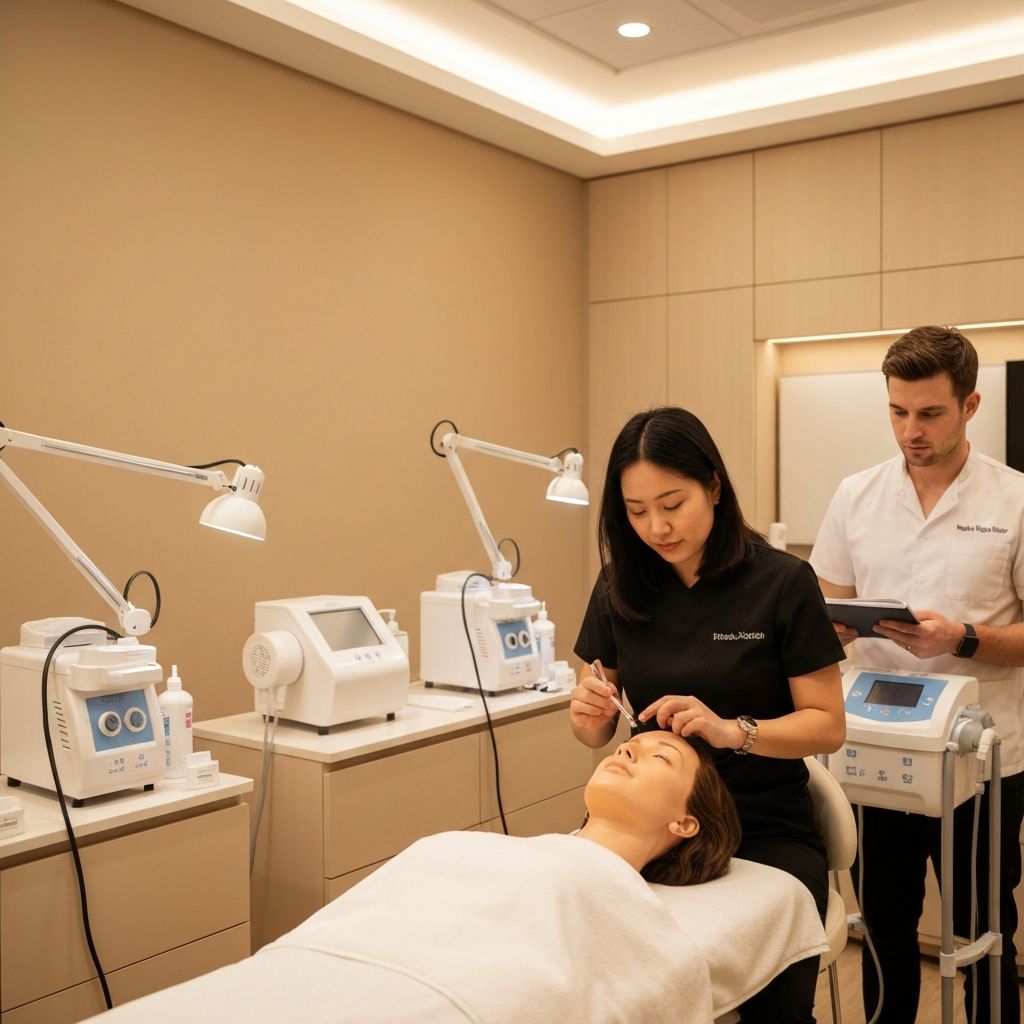
• Supervision. An instructor oversees each treatment, correcting technique as you go. • Consent. Models give informed consent, understanding that a supervised trainee will perform the treatment. • Screening. Models are screened for contraindications, just like real clients. • Documentation and aftercare. Sessions follow the same consent, record-keeping and aftercare standards you'll use in practice.
Does the school provide models?
Practices differ. Some schools supply models; others ask students to bring one, or do both. Ask before enrolling: How many models will I personally treat? Are they provided? What's the policy if a model cancels? The number of clients you personally treat — not just observe — is what builds competence.
Finding your own models (during or after training)
When you need to build experience or a portfolio, find models ethically: • Ask friends, family and colleagues who understand you're training. • Be transparent about your training status and what supervision applies. • Screen every model for contraindications and obtain written informed consent. • Never exceed your legal scope — for controlled acts, appropriate authorization and supervision still apply. • Photograph consistently (with consent) to build a portfolio.
Safety and scope reminders
Screening and consent for training models
Treating a model is not a rehearsal that skips the rules — it's a real treatment on a real person, so the same screening and consent standards apply. Every model should be assessed for contraindications exactly as a paying client would be, and should give informed consent that specifically acknowledges a supervised trainee will perform the treatment. Skipping these steps to 'just practise' teaches the wrong habits and creates genuine risk. • Screen every model for contraindications before treating. • Obtain written informed consent that names the trainee context. • Follow the same infection-control and documentation standards as with clients. • Give proper aftercare and a way to raise concerns afterward. Building these habits during training is one of its hidden benefits: by the time you're treating paying clients, thorough screening, consent and documentation already feel automatic. That professionalism protects you and reassures the clients who will build your reputation. Practising on models doesn't change the law. For treatments that are controlled acts, the same authorization and supervision rules apply during and after training. Infection control is essential whenever skin is broken. Ziba's hands-on programs — including the Botox & Filler course and Micropigmentation training — are delivered with supervised model practice; confirm model details with admissions.
Ziba Aesthetics Training Institute
Ziba Aesthetics Training Institute is located at 7191 Yonge St, Unit 701, Markham, ON, serving the Greater Toronto Area. To learn more about the Botox & Filler program or discuss your goals, book a consultation or start your application with our admissions team.
Frequently Asked Questions
More Mezogel Booster Articles
Continue learning about Mezogel Booster treatments and training
- Mezogel Booster Treatment in Toronto: Complete Guide
8 min read
- Mezogel Booster Training and Certification in Ontario
7 min read
- Mezogel vs Profhilo: Comparing Skin Booster Treatments
9 min read
- 10 Benefits of Mezogel Booster for Skin Rejuvenation
10 min read
- How to Perform Mezogel Booster: Injection Techniques Guide
11 min read
- Mezogel Booster Side Effects and Safety: Complete Guide
10 min read
More Laser Training Articles
Continue learning about laser training, certification, and aesthetic careers
- Laser Technician Certification in Ontario: Requirements and Training
9 min read
- Advanced Laser Training for Experienced Technicians
7 min read
- Laser Training in Thornhill: Complete Certification Guide
12 min read
- Laser Hair Removal Training in Thornhill: Get Certified
11 min read
- Laser Skin Rejuvenation Training in Thornhill
11 min read
- Best Laser Training Center in Thornhill and Toronto
11 min read
Related Programs
External Resources
- Regulated Health Professions Act, 1991 (RHPA), s.27 controlled acts — Ontario e-Laws
Establishes that 'administering a substance by injection or inhalation' is a controlled act. Canonical e-Laws page (content is JavaScript-rendered; corroborated by multiple regulator summaries). Source: https://www.ontario.ca/laws/statute/91r18
- O. Reg. 136/18: Personal Service Settings (under the Health Protection and Promotion Act) — CanLII
Governs infection-prevention standards for personal service settings (aesthetics, electrolysis, nails, tattooing); enforced by local public health units. Verified. Source: https://www.canlii.org/en/on/laws/regu/o-reg-136-18/latest/o-reg-136-18.html