Filler Training for Nurses in Ontario | Ziba Aesthetics Markham
Ziba Aesthetics Training Institute offers comprehensive dermal filler training designed specifically for Registered Nurses in Ontario, covering facial anatomy, product selection, injection technique, and critical complication management.

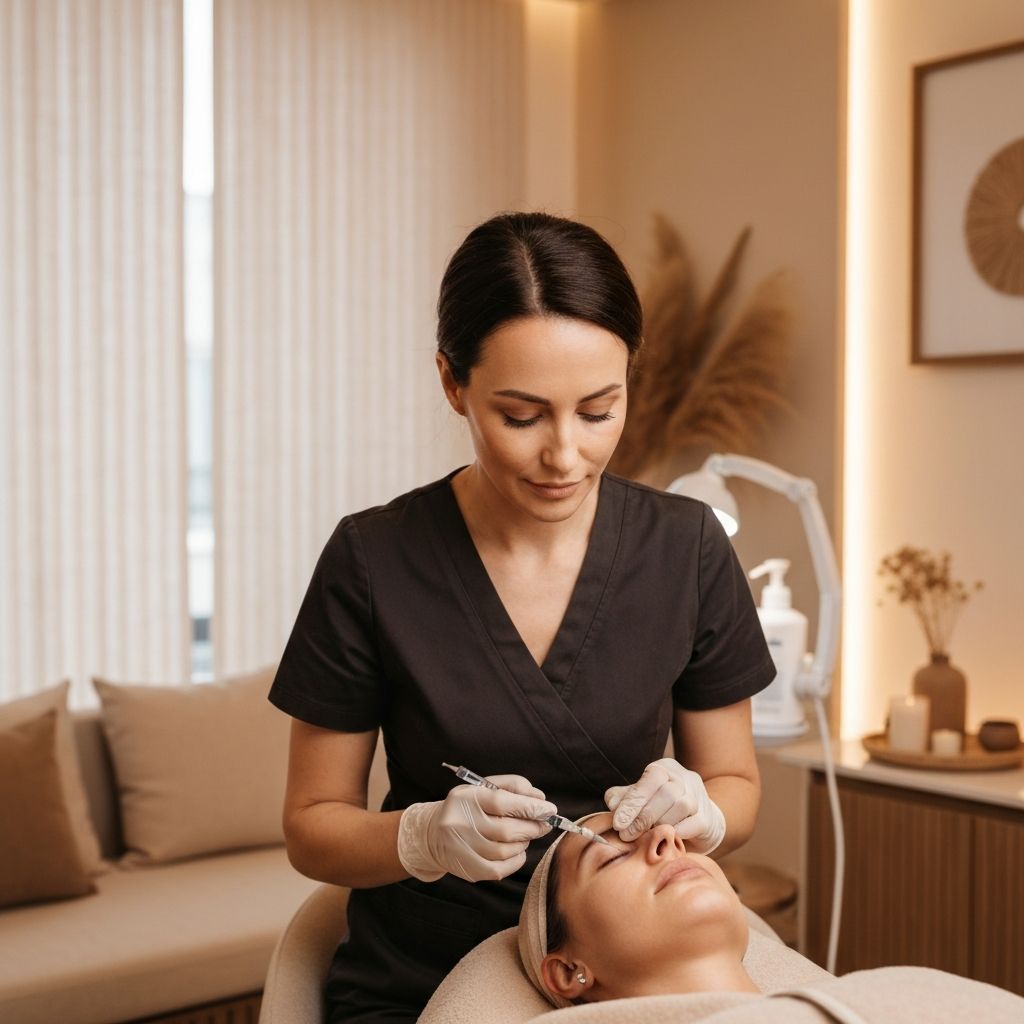
Dermal filler injections are among the highest-demand aesthetic services in Ontario, and Registered Nurses who master this skill are positioned to build exceptionally rewarding careers in the medical aesthetics industry. Ziba Aesthetics Training Institute's filler training program for nurses is designed to take qualified RNs from clinical fundamentals through to independent injection practice, with a strong emphasis on safety, facial anatomy, and product science. The curriculum recognizes nurses' existing clinical strengths and builds purposefully on them, accelerating the path to aesthetic competency. Training takes place in small groups at our Markham location, ensuring individualized attention during the critical hands-on learning phases. Graduates complete the program ready to consult, treat, and manage filler cases with professional confidence.
Dermal Filler Training Curriculum Overview
The Ziba filler training program is organized into three interconnected learning streams: scientific foundations, anatomical mapping, and clinical technique. These streams are woven together throughout the program to ensure that students understand the 'why' behind every injection decision—not just the 'how.' This understanding is what separates safe, effective practitioners from those who memorize techniques without genuine clinical comprehension.
Hyaluronic Acid Science and Product Selection
Students learn the rheological properties of HA fillers—G prime, cohesivity, water absorption capacity, and particle size—and how these properties determine appropriate product selection for different injection depths and treatment areas. Comparing leading brands including Juvéderm, Restylane, and Teoxane prepares graduates to make evidence-based product choices.
Facial Anatomy for Filler Injection Safety
The danger zones of facial filler injection—including the glabella, nasolabial region, temples, and perioral area—are studied in depth, with particular attention to the vascular structures that create risk for intravascular injection. Students learn to identify high-risk zones on diverse patient presentations and to modify technique accordingly.
Treatment Areas Covered in Nurse Filler Training
The course covers both foundational and advanced filler treatment areas, building complexity progressively. Students begin with the lips and nasolabial folds—areas with high demand and relatively forgiving anatomy—before advancing to cheeks, tear troughs, chin, and jawline sculpting as confidence and competency grow.
Lip Enhancement and Perioral Filler
Lip filler is consistently one of the most requested aesthetic treatments and one of the most technically demanding. Students learn product selection for lip tissue (favouring soft, hydrophilic HA formulations), injection mapping for vermillion border definition, philtrum column enhancement, body volume, and downturned corner correction.
Cheek and Mid-Face Volumization
Mid-face volume restoration is one of the most effective anti-aging filler treatments, lifting the lower face and softening nasolabial folds by restoring structural support rather than simply filling surface lines. Students learn deep compartment injection techniques, cannula versus needle approaches, and patient selection criteria for mid-face treatment.
Vascular Complication Recognition and Emergency Management
Vascular occlusion is the most serious complication of dermal filler injection and every filler practitioner must be prepared to recognize and respond to it immediately. The Ziba filler program dedicates a full module to vascular occlusion—its mechanisms, clinical presentation, and emergency management using hyaluronidase dissolution.
Recognizing Vascular Compromise
Students learn the early signs of intravascular injection and vascular occlusion: blanching, mottling, livedo reticularis pattern, pain disproportionate to the procedure, and delayed capillary refill. Rapid recognition is critical because intervention within minutes dramatically improves outcomes compared to delayed treatment.
Hyaluronidase Dissolution Protocol
Every HA filler practitioner must keep hyaluronidase immediately accessible and be competent in its administration. Students learn the reconstitution of hyaluronidase, dosing strategies for different filler products and vascular territories, and the post-dissolution monitoring protocol required to ensure complete resolution of vascular compromise.
Post-Certification Practice Development for Nurse Injectors
Completing filler training is the beginning of an aesthetic nursing career, not the end point. Ziba provides post-certification support that helps nurse graduates build their clinical experience systematically, market their services effectively, and maintain safety standards as they take on more complex cases over time.
Building an Early Case Portfolio
New filler injectors benefit from a structured approach to their first cases—starting with consultations, reviewing technique before each session, and carefully documenting outcomes with before-and-after photography. Ziba encourages graduates to seek mentorship or collegial observation during their first months of independent practice.
Marketing Filler Services as an RN in Ontario
Patients seeking filler treatments actively look for medically qualified injectors, making the 'RN' credential a significant marketing asset. Graduates learn how to position their nursing background as a differentiator in local advertising, social media content, and consultation conversations, attracting clients who prioritize safety alongside results.
Ziba Aesthetics Training Institute
Ziba Aesthetics Training Institute is located at 7191 Yonge St Unit 701, Markham, ON, conveniently accessible to nurses from Toronto, Thornhill, North York, Vaughan, and Richmond Hill. Call (416) 318-7447 or visit aesthetictraining.ca.
Frequently Asked Questions
More Mezogel Booster Articles
Continue learning about Mezogel Booster treatments and training
- Mezogel Booster Treatment in Toronto: Complete Guide
8 min read
- Mezogel Booster Training and Certification in Ontario
7 min read
- Mezogel vs Profhilo: Comparing Skin Booster Treatments
9 min read
- 10 Benefits of Mezogel Booster for Skin Rejuvenation
10 min read
- How to Perform Mezogel Booster: Injection Techniques Guide
11 min read
- Mezogel Booster Side Effects and Safety: Complete Guide
10 min read
More Laser Training Articles
Continue learning about laser training, certification, and aesthetic careers
- Laser Technician Certification in Ontario: Requirements and Training
9 min read
- Advanced Laser Training for Experienced Technicians
7 min read
- Laser Training in Thornhill: Complete Certification Guide
12 min read
- Laser Hair Removal Training in Thornhill: Get Certified
11 min read
- Laser Skin Rejuvenation Training in Thornhill
11 min read
- Best Laser Training Center in Thornhill and Toronto
11 min read
External Resources
- College of Nurses of Ontario – Practice Expectations
CNO documentation on practice expectations for nurses performing expanded roles including aesthetic injection services.
- Journal of Aesthetic Nursing – Filler Complication Management
Peer-reviewed clinical guidance on recognition and emergency management of dermal filler complications including vascular occlusion.