Do You Need a Licence to Do Microneedling in Ontario?
Ontario has no dedicated microneedling licence, but the rules still depend on treatment depth, your credential and infection-control standards. Here's the full picture.
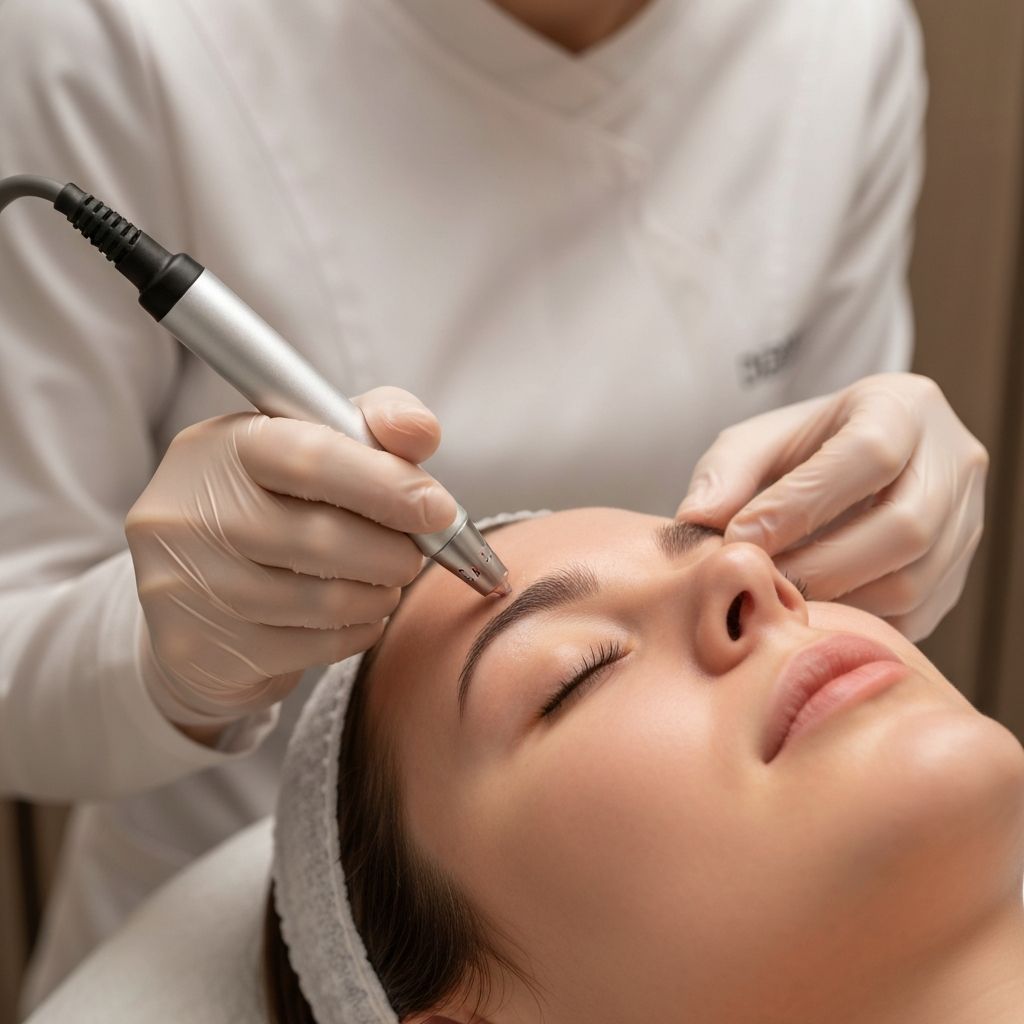
Short answer: There is no dedicated 'microneedling licence' in Ontario. Cosmetic microneedling is commonly performed by trained estheticians and other practitioners, but deeper, medical needling may raise controlled-act questions. Infection-control standards always apply, and training plus insurance are expected in practice.
No dedicated licence — but not a free-for-all
Ontario does not license microneedling as its own profession. That does not make it unregulated. Two things shape who can perform it: how deep the treatment goes, and the infection-control setting it is delivered in.
Depth changes the conversation
Superficial cosmetic microneedling for skin texture is generally treated differently from deep medical needling that reaches into living tissue. As treatments get deeper and more invasive, the possibility that a controlled act is involved increases, and medical oversight becomes more relevant. Because interpretations vary, confirm the position for your specific device settings and protocols with the relevant regulatory college. Comparison — Superficial cosmetic needling — Typical practitioner: Trained esthetician / medical aesthetician; Key consideration: Infection control + training. Deeper medical needling — Typical practitioner: Regulated health professional / medical oversight; Key consideration: Possible controlled-act and scope questions. Needling combined with PRP — Typical practitioner: Regulated injector (for the blood/injection component); Key consideration: Blood draw + injection are controlled acts.
Infection prevention and control is mandatory
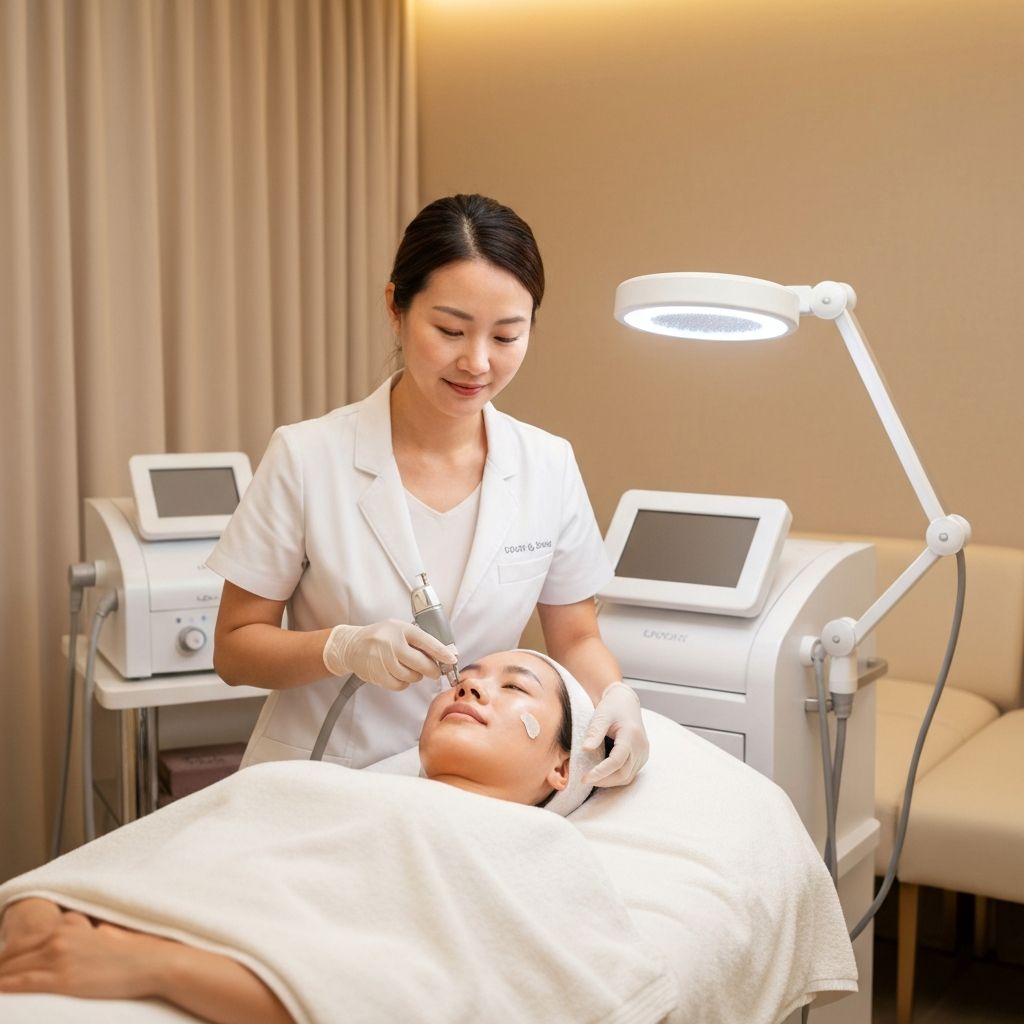
Microneedling breaks the skin, so infection prevention is central. In personal service settings, local public health units inspect against O. Reg. 136/18, which covers single-use cartridges, sterilization/disinfection, sharps handling and record-keeping. Following these standards is not optional.
What clinics and insurers expect
Even without a licence, you will generally need documented training and professional liability insurance before performing microneedling in a clinic. Employers want proof of competence; insurers want it too.
Choosing microneedling training
What good microneedling practice looks like
Because the licensing question is open-ended, the way you actually practise matters more than any single credential. Strong microneedling providers screen clients carefully for contraindications such as active infections, certain skin conditions and recent treatments; select needle depth deliberately by area and indication; use single-use sterile cartridges without exception; and give clear aftercare to reduce infection and irritation risk. These habits, not a piece of paper, are what keep clients safe. • Screen for contraindications and document the screening. • Match needle depth to the treatment area and goal — deeper is not automatically better. • Use a fresh single-use cartridge for every client. • Provide written aftercare and a route to reach you with concerns. This is also where the depth question becomes practical. Conservative, superficial cosmetic needling sits comfortably within a trained esthetician's practice; aggressive, deep needling edges toward medical territory and greater scrutiny. Choosing appropriate depth is both a safety decision and a scope decision, which is exactly why proper training emphasises it. Good training covers collagen-induction science, device and needle-depth selection, contraindications, infection control and aftercare, with supervised hands-on practice. Ziba's Microneedling certificate is open to estheticians, nurses and medical aestheticians, and pairs naturally with the Medical Aesthetician certificate for those building a foundational skin-services menu. If you plan to combine needling with PRP, note that the PRP component is restricted to medical professionals.
Ziba Aesthetics Training Institute
Ziba Aesthetics Training Institute is located at 7191 Yonge St, Unit 701, Markham, ON, serving the Greater Toronto Area. To learn more about the Microneedling program or discuss your goals, book a consultation or start your application with our admissions team.
Frequently Asked Questions
More Mezogel Booster Articles
Continue learning about Mezogel Booster treatments and training
- Mezogel Booster Treatment in Toronto: Complete Guide
8 min read
- Mezogel Booster Training and Certification in Ontario
7 min read
- Mezogel vs Profhilo: Comparing Skin Booster Treatments
9 min read
- 10 Benefits of Mezogel Booster for Skin Rejuvenation
10 min read
- How to Perform Mezogel Booster: Injection Techniques Guide
11 min read
- Mezogel Booster Side Effects and Safety: Complete Guide
10 min read
More Laser Training Articles
Continue learning about laser training, certification, and aesthetic careers
- Laser Technician Certification in Ontario: Requirements and Training
9 min read
- Advanced Laser Training for Experienced Technicians
7 min read
- Laser Training in Thornhill: Complete Certification Guide
12 min read
- Laser Hair Removal Training in Thornhill: Get Certified
11 min read
- Laser Skin Rejuvenation Training in Thornhill
11 min read
- Best Laser Training Center in Thornhill and Toronto
11 min read
Related Programs
External Resources
- Regulated Health Professions Act, 1991 (RHPA), s.27 controlled acts — Ontario e-Laws
Establishes that 'administering a substance by injection or inhalation' is a controlled act. Canonical e-Laws page (content is JavaScript-rendered; corroborated by multiple regulator summaries). Source: https://www.ontario.ca/laws/statute/91r18
- O. Reg. 136/18: Personal Service Settings (under the Health Protection and Promotion Act) — CanLII
Governs infection-prevention standards for personal service settings (aesthetics, electrolysis, nails, tattooing); enforced by local public health units. Verified. Source: https://www.canlii.org/en/on/laws/regu/o-reg-136-18/latest/o-reg-136-18.html
- Scope of Practice — practice standard, College of Nurses of Ontario
CNO practice standard on controlled acts, orders and authorizing mechanisms for nurses. Verified. Source: https://cno.org/Assets/CNO/Documents/Standard-and-Learning/Practice-Standards/49041-scope-of-practice.pdf