What It Really Costs to Open a Med Spa in Ontario
Opening a med spa costs more than a chair and a device. Here's a realistic, category-by-category look at Ontario startup costs and how to budget.
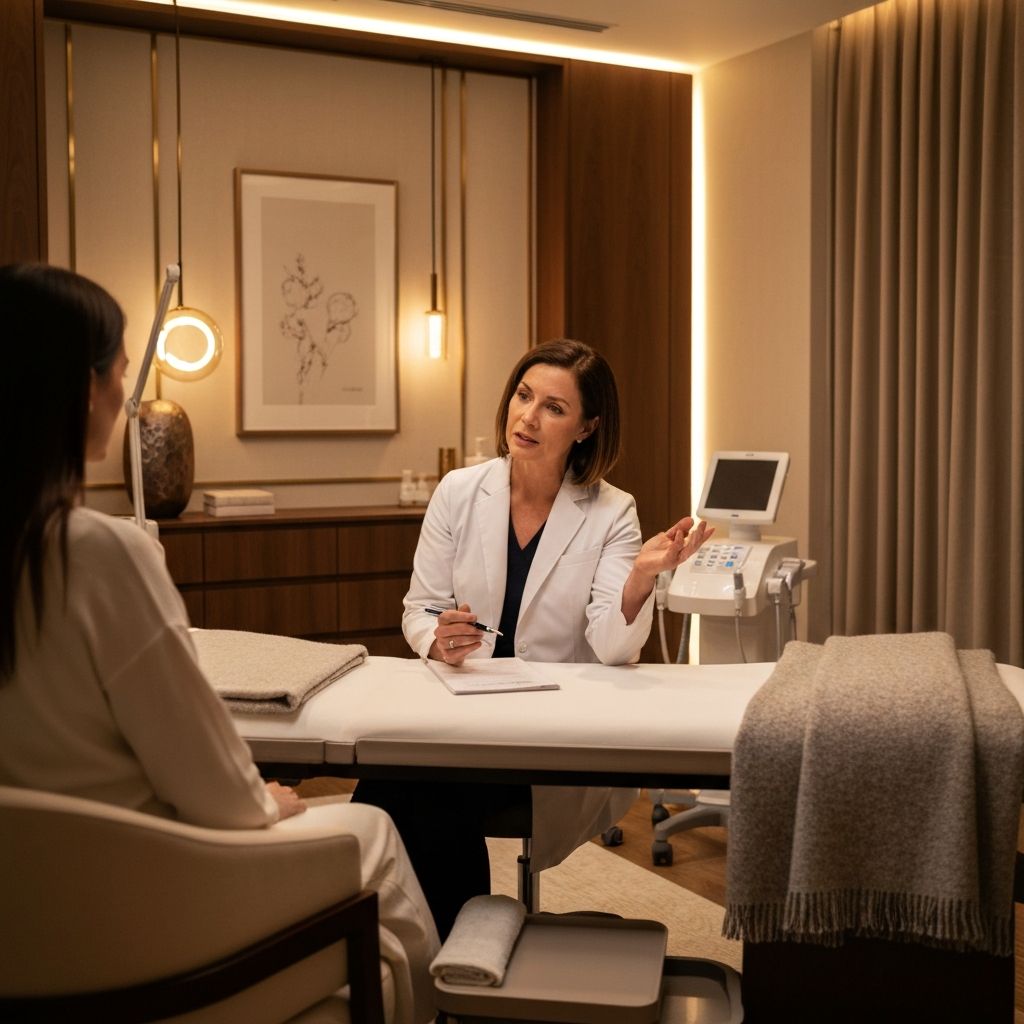
Reality check: There's no single price tag — a modest single-room studio and a full injectable med spa are worlds apart. What's consistent is the categories you must budget for: space, equipment, licensing/compliance, insurance, staffing/oversight, working capital and marketing. Under-budgeting working capital is the most common (and dangerous) mistake. These are general estimates, not financial advice.
The cost categories
Comparison — Space — What it includes: Lease deposit, build-out, furniture; Notes: Location and condition drive cost heavily. Equipment — What it includes: Devices, treatment beds, sterilization; Notes: Buy vs lease; maintenance matters. Compliance — What it includes: Facility setup for IPAC, permits; Notes: Public-health standards apply. Oversight — What it includes: Medical director/prescriber (if injectables); Notes: Required for controlled-act services. Insurance — What it includes: Professional + commercial coverage; Notes: Higher for injectables/lasers. Staffing — What it includes: Wages, contractors, training; Notes: Your biggest ongoing cost. Working capital — What it includes: Several months of expenses; Notes: Survive the ramp-up period. Marketing — What it includes: Brand, website, launch; Notes: Budget for compliant advertising.
Your service menu sets your budget
The single biggest cost driver is *what* you offer. A skin-care and microneedling studio needs far less capital than an injectable clinic, which requires medical oversight, higher insurance and prescriber arrangements. Decide your menu first, then cost it.
Equipment: buy vs lease
Devices are tempting to over-buy. Leasing preserves cash and spreads cost but adds ongoing payments; buying costs more upfront but can be cheaper long-term. Factor in maintenance, consumables and training for each device — and don't buy capacity you can't fill.
Don't forget the invisibles
• Facility compliance for infection prevention and control. • Adequate professional and commercial insurance. • Legal/accounting setup and, for medical services, oversight arrangements. • Working capital to cover months of costs before you're busy.
Budgeting sensibly
The mistakes that sink new clinics
Most clinic failures trace back to a handful of avoidable errors rather than bad luck. The most common is under-budgeting working capital — funding the build-out but running out of cash during the slow ramp-up. Others include over-investing in equipment before demand is proven, choosing an expensive location the revenue can't support, and neglecting compliance costs (oversight, insurance, IPAC) until they become emergencies. Naming these risks early is the first step to avoiding them. • Budget several months of operating expenses as a cash buffer. • Don't buy device capacity you can't yet fill. • Right-size your location to realistic early revenue. • Cost compliance (oversight, insurance, IPAC) from the start, not later. A conservative, staged plan beats an ambitious, over-leveraged one. Many successful owners open lean with a focused menu they can deliver profitably, prove demand, and reinvest earnings into expansion. Get professional financial advice, model your numbers honestly, and treat your cash buffer as non-negotiable. Build a conservative model: realistic revenue ramp, honest fixed costs, and a cash buffer. Start lean where you can — many owners launch with a focused menu and expand as demand proves out (our add-a-service framework helps). Invest in the training that lets you deliver premium services yourself, such as the Medical Aesthetic Specialist diploma or the comprehensive Aesthetic Diploma, and get professional financial advice before signing a lease.
Ziba Aesthetics Training Institute
Ziba Aesthetics Training Institute is located at 7191 Yonge St, Unit 701, Markham, ON, serving the Greater Toronto Area. To learn more about the Medical Aesthetic Specialist program or discuss your goals, book a consultation or start your application with our admissions team.
Frequently Asked Questions
More Mezogel Booster Articles
Continue learning about Mezogel Booster treatments and training
- Mezogel Booster Treatment in Toronto: Complete Guide
8 min read
- Mezogel Booster Training and Certification in Ontario
7 min read
- Mezogel vs Profhilo: Comparing Skin Booster Treatments
9 min read
- 10 Benefits of Mezogel Booster for Skin Rejuvenation
10 min read
- How to Perform Mezogel Booster: Injection Techniques Guide
11 min read
- Mezogel Booster Side Effects and Safety: Complete Guide
10 min read
More Laser Training Articles
Continue learning about laser training, certification, and aesthetic careers
- Laser Technician Certification in Ontario: Requirements and Training
9 min read
- Advanced Laser Training for Experienced Technicians
7 min read
- Laser Training in Thornhill: Complete Certification Guide
12 min read
- Laser Hair Removal Training in Thornhill: Get Certified
11 min read
- Laser Skin Rejuvenation Training in Thornhill
11 min read
- Best Laser Training Center in Thornhill and Toronto
11 min read
Related Programs
External Resources
- O. Reg. 136/18: Personal Service Settings (under the Health Protection and Promotion Act) — CanLII
Governs infection-prevention standards for personal service settings (aesthetics, electrolysis, nails, tattooing); enforced by local public health units. Verified. Source: https://www.canlii.org/en/on/laws/regu/o-reg-136-18/latest/o-reg-136-18.html
- Expectations of Physician Medical Directors in Cosmetic Clinics — CPSO Dialogue
Outlines medical-director accountability, assessment and supervision expectations in cosmetic clinics. Verified reference. Source: https://dialogue.cpso.on.ca/articles/expectations-of-physician-medical-directors-in-cosmetic-clinics