Can Estheticians Inject Botox or Filler in Ontario?
Injecting a substance is a controlled act under Ontario law. Here is who is legally allowed to inject Botox and dermal filler, and what it means for estheticians planning their training.
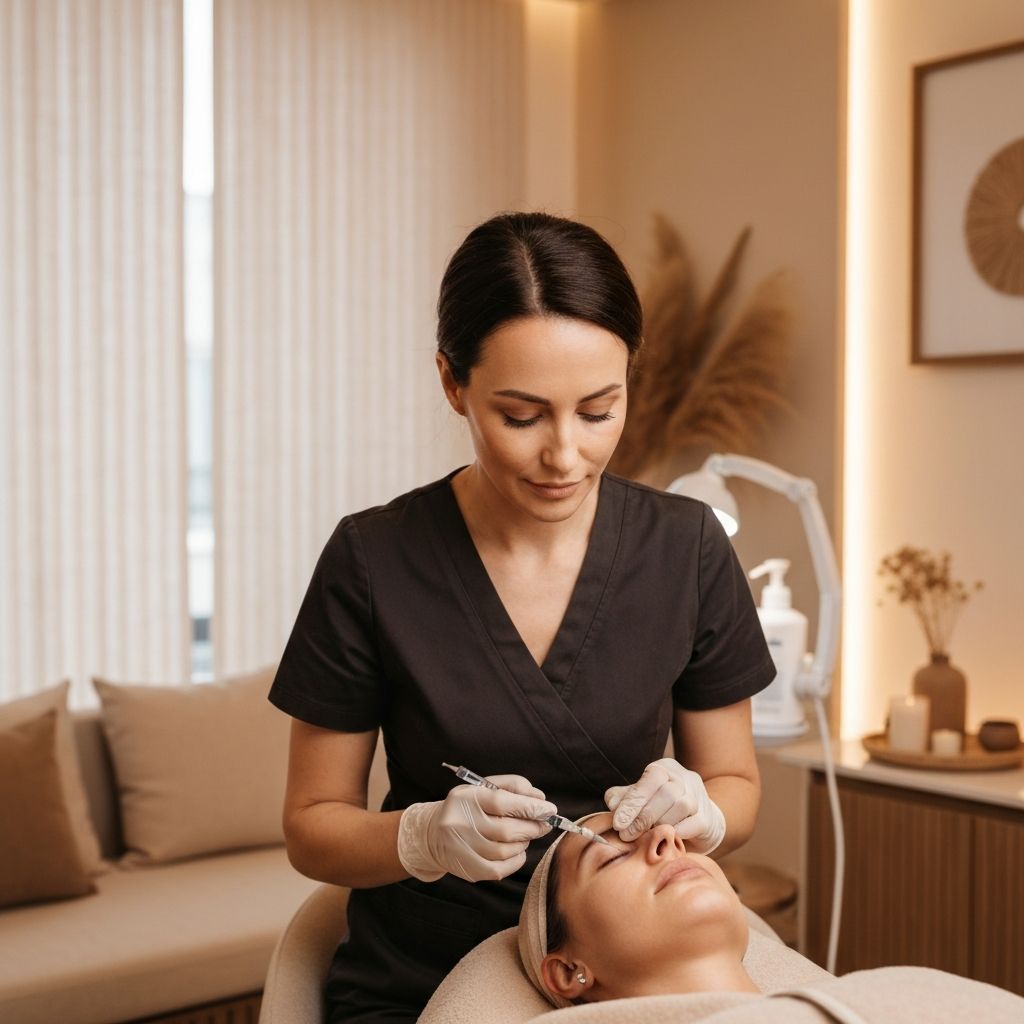
Short answer: No. In Ontario, injecting Botox or dermal filler is a controlled act, and estheticians are not authorized to perform it. Only regulated health professionals whose legislation authorizes injection — such as physicians, nurse practitioners, and nurses acting under an order or directive — may inject. An esthetician who wants to inject must first obtain the appropriate healthcare credential.
Why injecting is restricted in Ontario
Ontario controls certain higher-risk health procedures through the Regulated Health Professions Act, 1991 (RHPA). The Act lists a small number of “controlled acts” that may only be performed by specific regulated professionals. Administering a substance by injection is one of those controlled acts. Because Botox (botulinum toxin) and hyaluronic-acid fillers are delivered by needle, the act of injecting them falls squarely inside this restriction. Estheticians are not a regulated health profession in Ontario. They do not belong to a health regulatory college, and no esthetics diploma or certificate grants authority to perform a controlled act. That is true no matter how many hands-on hours a course includes.
Who can legally inject Botox and filler
Authority to inject comes from a practitioner's own profession-specific legislation, or from a proper delegation/authorization. In practice, the people injecting in Ontario clinics are: • Physicians (MDs) — authorized under their own Act. • Nurse practitioners (NPs) — authorized to order and administer within their scope. • Registered nurses (RNs) and registered practical nurses (RPNs) — who administer under an order or directive from a physician or NP. Recent College of Nurses of Ontario guidance (2026) reinforces that nurses providing cosmetic injectables must work with a prescriber and hold the proper authorization. Botulinum toxin is also a prescription (Schedule D) drug in Canada. That means a prescriber must be involved in the client's care — another reason the treatment cannot sit with an unregulated practitioner alone.
What this means for your training plan
If you are currently an esthetician, the realistic route to injecting is to become a regulated health professional first (most commonly by becoming a nurse), then complete injectable training and secure the required order or directive. Injectable courses build technique; they do not change your legal scope. Comparison — Esthetician / medical aesthetician — Can you inject today?: No; Typical next step: Add non-injectable services now; pursue a nursing credential to inject later. RN / RPN — Can you inject today?: Yes, under an order or directive; Typical next step: Injectable training + secure a prescriber's authorization. Nurse practitioner — Can you inject today?: Yes; Typical next step: Injectable training to build technique. Physician (MD) — Can you inject today?: Yes; Typical next step: Injectable training to build technique.
What estheticians CAN train in right now
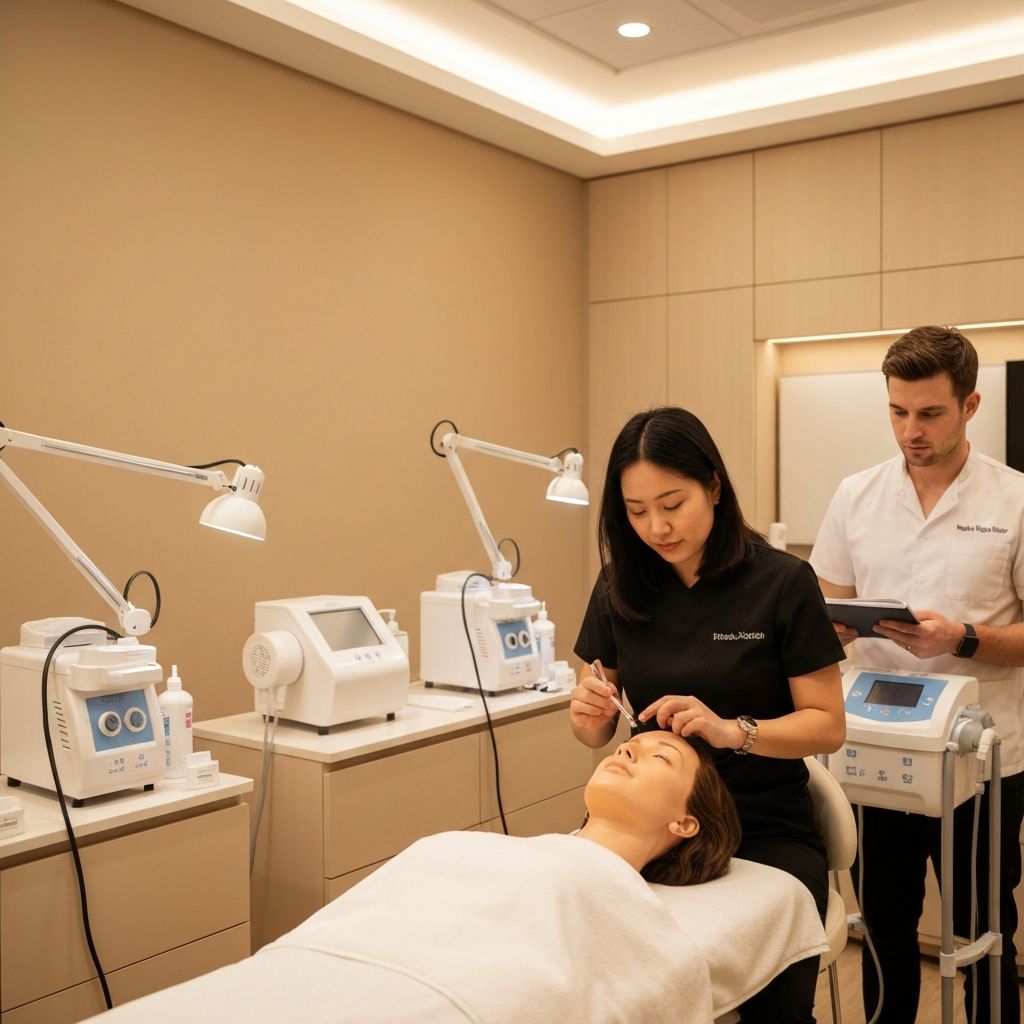
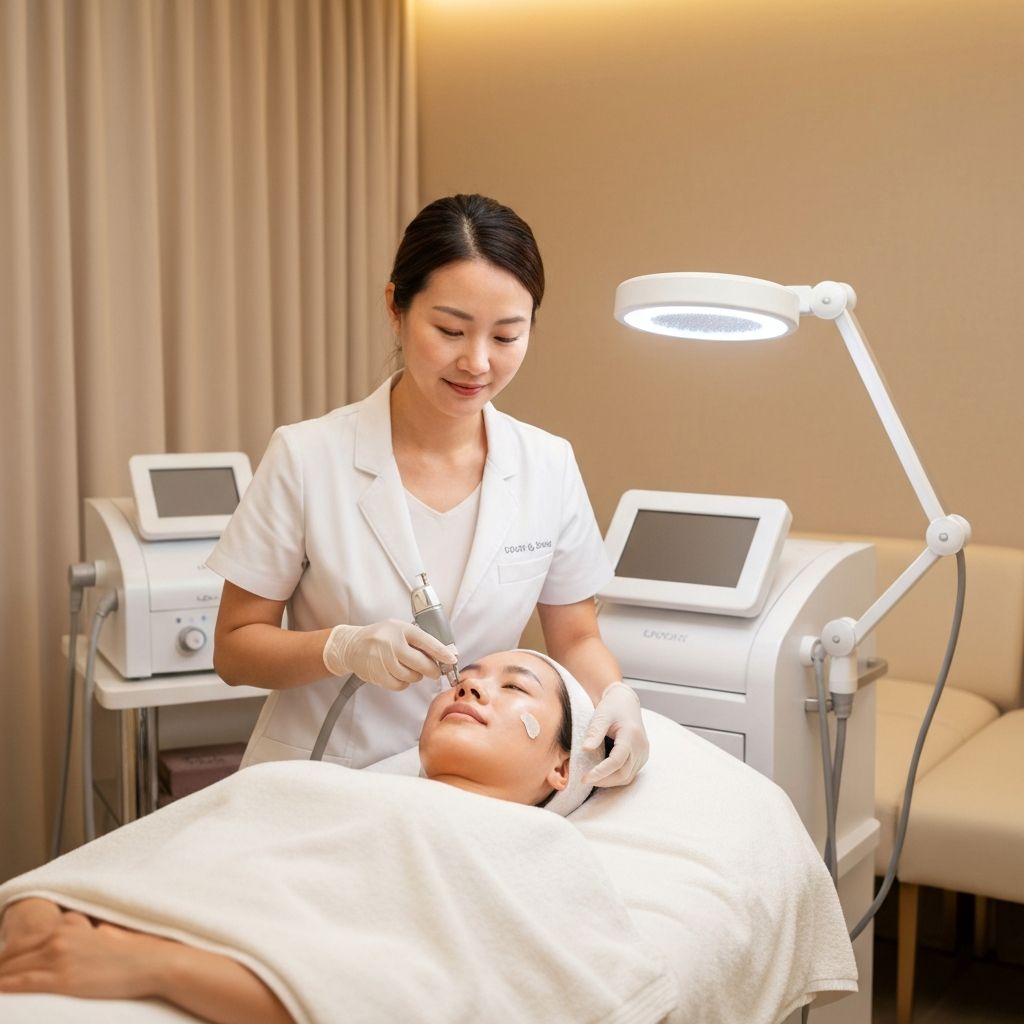
Plenty of in-demand services are open to non-injectors. Depending on your credential and a clinic's protocols, these commonly include microneedling, laser and light treatments, chemical exfoliation within an esthetician's scope, micropigmentation, and body-contouring devices. Building a strong non-injectable menu is a practical way to grow while you decide whether to pursue a nursing pathway.
Common misconceptions that get estheticians in trouble
Several myths circulate in the industry, and believing them can put your career and clients at risk. The first is that a well-known 'certification' overrides Ontario law — it doesn't; a certificate documents training, never legal scope. The second is that working 'under' a doctor automatically covers you; supervision only matters within a lawful delegation to an authorized person, and an esthetician is not an authorized injector to begin with. The third is that filler is 'safer' than Botox because it isn't a drug in the same way — but injecting filler is still a controlled act, and filler carries its own serious risks such as vascular complications. There are real consequences to ignoring this. Performing a controlled act without authority can expose you to enforcement action, uninsurable liability if something goes wrong, and reputational damage that follows you. It also puts clients at genuine risk, because the legal framework exists precisely to keep higher-risk procedures in trained, accountable hands.
A safer way to think about your career
Rather than looking for a shortcut into injecting, treat your current scope as a foundation to build on. You can develop a strong, profitable non-injectable menu now, gain clinical experience and a client base, and — if injecting is your goal — plan the regulated-credential step deliberately. That sequence is slower but sustainable, and it keeps you insurable and compliant the whole way. At Ziba Aesthetics Training Institute in Markham, the injectable Botox & Filler course is restricted to medical professionals for exactly the reasons above, while programs such as Microneedling and the Medical Aesthetician certificate are open to estheticians and career changers.
Ziba Aesthetics Training Institute
Ziba Aesthetics Training Institute is located at 7191 Yonge St, Unit 701, Markham, ON, serving the Greater Toronto Area. To learn more about the Botox & Filler program or discuss your goals, book a consultation or start your application with our admissions team.
Frequently Asked Questions
More Mezogel Booster Articles
Continue learning about Mezogel Booster treatments and training
- Mezogel Booster Treatment in Toronto: Complete Guide
8 min read
- Mezogel Booster Training and Certification in Ontario
7 min read
- Mezogel vs Profhilo: Comparing Skin Booster Treatments
9 min read
- 10 Benefits of Mezogel Booster for Skin Rejuvenation
10 min read
- How to Perform Mezogel Booster: Injection Techniques Guide
11 min read
- Mezogel Booster Side Effects and Safety: Complete Guide
10 min read
More Laser Training Articles
Continue learning about laser training, certification, and aesthetic careers
- Laser Technician Certification in Ontario: Requirements and Training
9 min read
- Advanced Laser Training for Experienced Technicians
7 min read
- Laser Training in Thornhill: Complete Certification Guide
12 min read
- Laser Hair Removal Training in Thornhill: Get Certified
11 min read
- Laser Skin Rejuvenation Training in Thornhill
11 min read
- Best Laser Training Center in Thornhill and Toronto
11 min read
Related Programs
External Resources
- Regulated Health Professions Act, 1991 (RHPA), s.27 controlled acts — Ontario e-Laws
Establishes that 'administering a substance by injection or inhalation' is a controlled act. Canonical e-Laws page (content is JavaScript-rendered; corroborated by multiple regulator summaries). Source: https://www.ontario.ca/laws/statute/91r18
- Botox Cosmetic — Health Canada Drug Product Database
Confirms botulinum toxin type A is a prescription (Schedule D) drug in Canada. Verified. Source: https://health-products.canada.ca/dpd-bdpp/info?lang=eng&code=67653
- How the College of Nurses of Ontario is changing its guidance on Botox and fillers — CBC News (July 2026)
Reports CNO 2026 guidance: RNs/RPNs administering cosmetic injectables must work with a prescriber (physician/NP) under a directive or direct order. Secondary source; corroborates regulator direction. Source: https://www.cbc.ca/news/canada/toronto/ontario-medical-aesthetics-changes-9.7280103